Phone:
(516)349-8800
Physical address:
958 W Jericho Turnpike, Smithtown, NY 11787
50 Years in Business | Est. 1975
50 Years in Business | Est. 1975
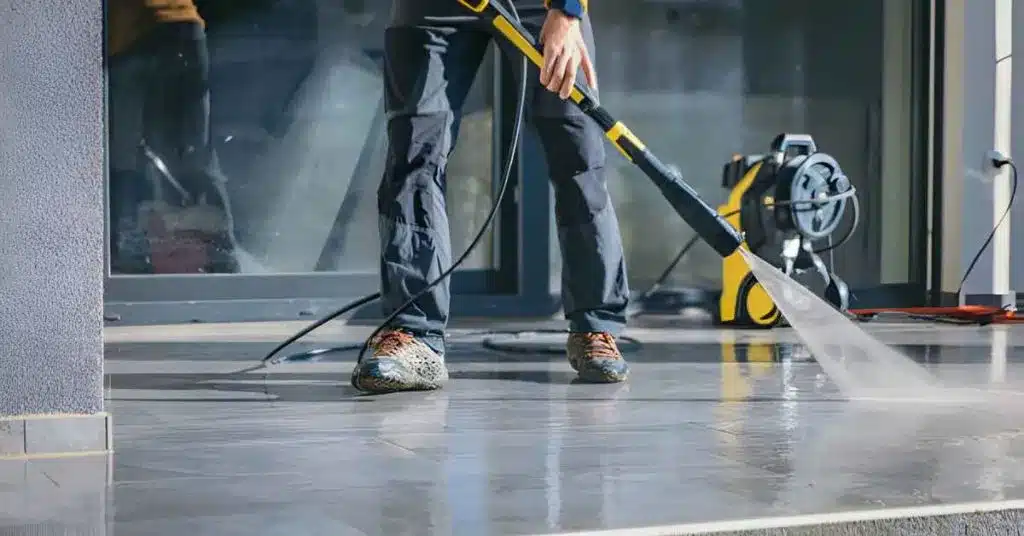
Running an office in New York City comes with many responsibilities, and one of the most overlooked is cleaning compliance. Office cleaning in NYC is not just about appearance it directly affects employee health, workplace safety, and legal compliance. From OSHA workplace rules to EPA environmental guidelines and NYC Department of Health expectations, businesses must follow specific standards to stay compliant and avoid fines, complaints, or operational risks.
This guide breaks down everything you need to know in a clear, practical way. Whether you manage a small office or a large corporate space, this NYC office cleaning compliance checklist will help you understand what is required, why it matters, and how professional office cleaning services in NYC can help you stay compliant year-round.
New York City workplaces face higher scrutiny than many other regions due to dense occupancy, shared spaces, and strict health regulations. Poor cleaning practices can lead to:
Compliance-focused office cleaning protects both people and businesses. It ensures your workplace meets legal standards while creating a healthier, more productive environment.
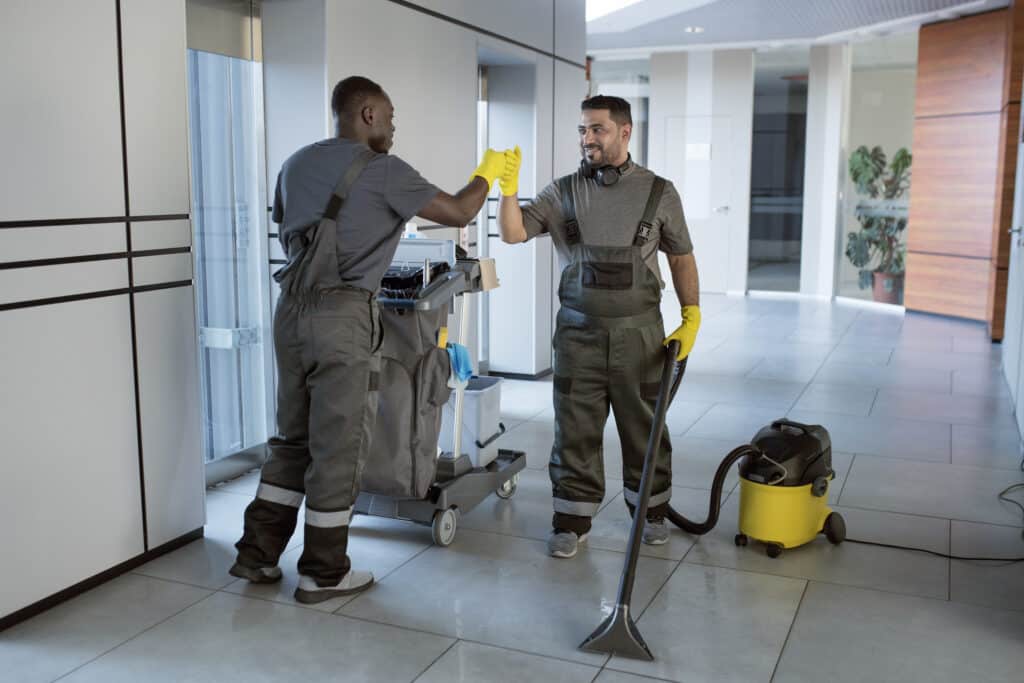
The Occupational Safety and Health Administration (OSHA) sets federal workplace safety standards that apply to offices throughout NYC. While OSHA does not publish a single “office cleaning rule,” several regulations directly impact cleaning practices.
Sanitary Work Conditions
Offices must maintain clean restrooms, breakrooms, and common areas. Trash must be removed regularly, and surfaces should not pose health hazards.
Slip, Trip, and Fall Prevention
Floors must be kept clean and dry. Spills must be addressed immediately, and proper floor cleaning procedures must be followed to reduce accidents.
Safe Use of Cleaning Chemicals
Cleaning products must be properly labeled, stored, and used according to safety guidelines. Employees should not be exposed to hazardous substances.
Indoor Air Quality Support
Dust, mold, and airborne particles must be controlled through proper cleaning of vents, carpets, and high-touch surfaces.
Failure to meet these requirements can result in OSHA complaints, inspections, and penalties.
The Environmental Protection Agency (EPA) focuses on reducing environmental and health risks caused by chemicals, waste, and indoor pollutants. EPA-aligned cleaning practices are especially important in NYC offices where air circulation and shared spaces can amplify exposure.
Approved Cleaning Products
Use EPA-compliant or environmentally responsible products that reduce exposure to harsh chemicals while maintaining effective sanitation.
Proper Waste Handling
Office waste, including paper, food waste, and recyclable materials, must be managed correctly to prevent contamination and pest issues.
Indoor Air Quality Management
Regular dusting, vacuuming with HEPA filtration, and ventilation cleaning help reduce allergens and airborne irritants.
Reduced Environmental Impact
Efficient cleaning methods minimize water waste and chemical overuse while maintaining high cleanliness standards.
Professional NYC office cleaning services often follow EPA-aligned protocols to protect both employees and the environment.
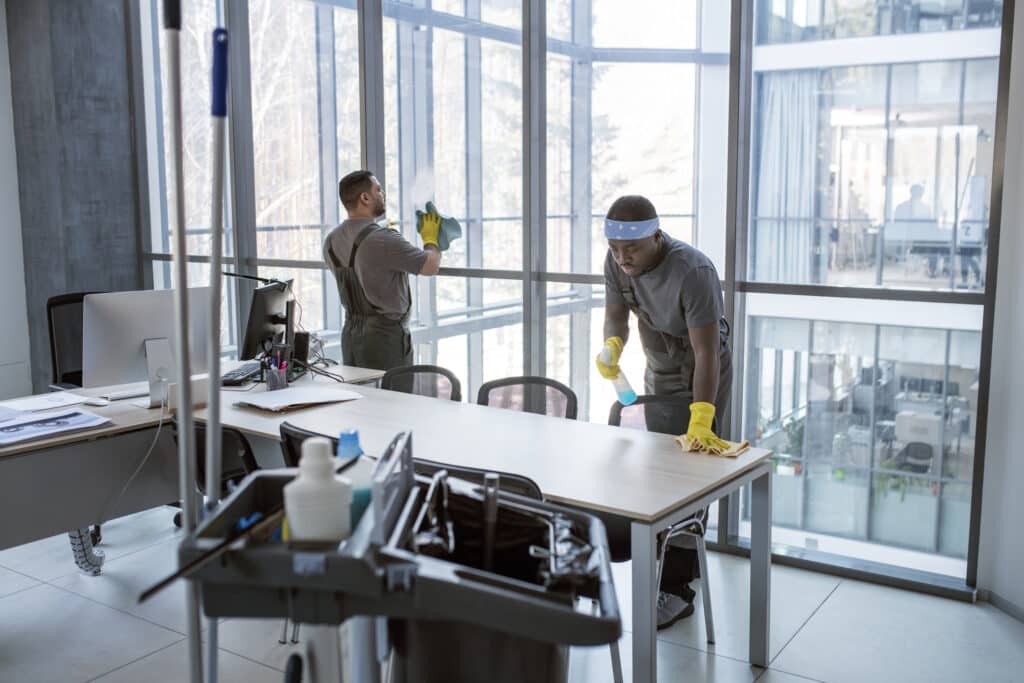
In addition to federal standards, NYC businesses must follow local health and sanitation rules. These regulations are especially strict in high-traffic office buildings, shared workspaces, and commercial properties.
Restroom Sanitation
Restrooms must be cleaned and disinfected regularly, stocked with supplies, and free of odors or visible contamination.
High-Touch Surface Disinfection
Door handles, elevator buttons, shared desks, conference tables, and kitchen surfaces require frequent disinfection.
Pest Prevention
Poor cleaning practices can attract pests, leading to violations. Regular trash removal and deep cleaning are essential.
Compliance During Inspections
Health or building inspections may review cleanliness as part of overall safety compliance.
Local compliance is where many businesses struggle, especially without a structured cleaning plan.
Use this checklist to evaluate whether your office cleaning practices meet NYC compliance expectations:
If you cannot confidently check every item, your office may be at risk of non-compliance.
Some NYC offices require additional cleaning measures due to industry regulations:
Medical and Healthcare Offices
Enhanced disinfection protocols and strict sanitation standards.
Financial and Legal Offices
Cleanliness that supports confidentiality, professionalism, and client trust.
Corporate and High-Rise Offices
Elevator sanitation, lobby cleaning, and shared facility maintenance.
A one-size-fits-all approach rarely works in NYC. Compliance depends on your office type, size, and usage patterns.
Many businesses assume basic cleaning is enough. Common mistakes include:
These issues often surface during inspections or employee complaints.
Hiring professional office cleaning services in NYC is one of the easiest ways to stay compliant. Experienced providers understand:
Professional cleaners follow structured checklists, use approved products, and maintain consistency reducing your risk and administrative burden.
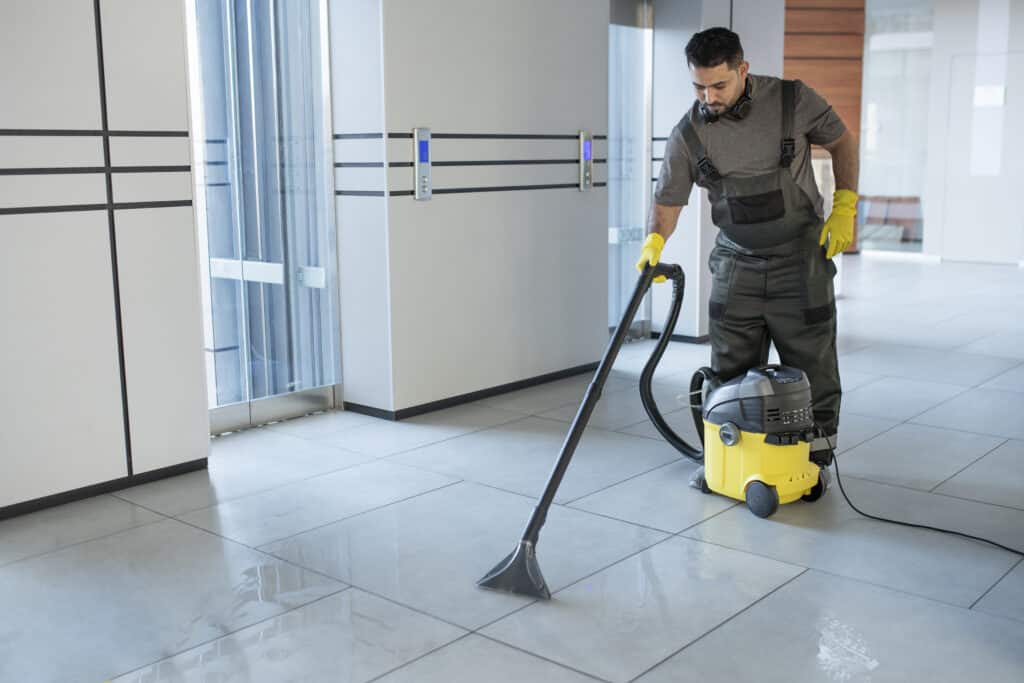
At XYZ Cleaning, we specialize in office cleaning for NYC businesses that value safety, compliance, and professionalism. Our cleaning programs are designed to align with OSHA guidelines, EPA best practices, and local NYC health standards.
We don’t just clean we help businesses maintain compliant, healthy, and welcoming work environments. From daily office cleaning to scheduled deep cleaning, our trained teams ensure nothing is overlooked.
If you want peace of mind knowing your office cleaning meets NYC compliance expectations, XYZ Cleaning is here to help.
Office cleaning compliance in NYC is not optional it’s essential. Understanding OSHA requirements, EPA guidelines, and local health standards allows businesses to protect employees, avoid violations, and maintain a professional image.
With the right cleaning strategy and a trusted NYC office cleaning partner, compliance becomes simple, consistent, and stress-free.