Phone:
(516)349-8800
Physical address:
958 W Jericho Turnpike, Smithtown, NY 11787
50 Years in Business | Est. 1975
50 Years in Business | Est. 1975
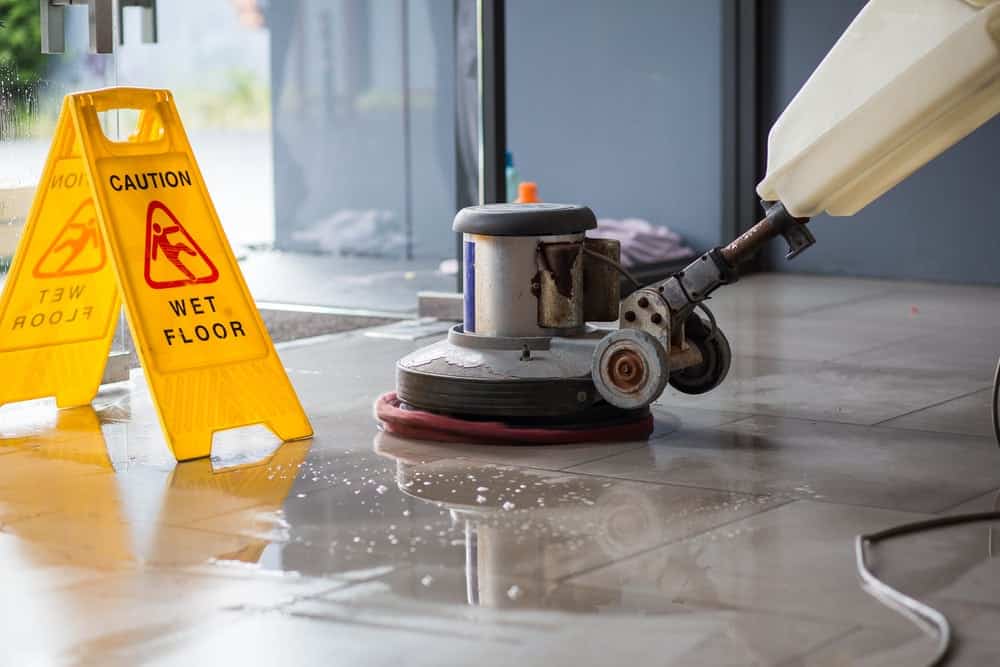
Commercial cleaning after renovations is the final step that transforms a completed construction project into a safe, professional and move-in-ready space. It removes fine dust, debris, adhesive residue and other contaminants that standard construction clean-up often leaves behind.
Whether you’ve renovated an office in Manhattan, a retail store in Brooklyn, a healthcare facility in the Bronx, or an apartment building in Queens, a thorough post-renovation clean helps protect your investment while creating a positive first impression. Employees, customers and tenants notice cleanliness immediately and even minor traces of construction dust can make a newly renovated property look unfinished.
This guide explains why commercial cleaning after renovations is essential, what it includes, the risks of skipping it and why professional cleaning services play a critical role before reopening your property.
Renovations improve how a commercial property looks and functions, but construction work rarely ends with a spotless building. Contractors focus on completing the project, while professional cleaners prepare the space for everyday use. That distinction makes commercial cleaning after renovations an essential part of every successful renovation.
Even after builders remove large waste materials, microscopic dust, fingerprints, packaging debris and protective films often remain throughout the property. These contaminants settle on walls, fixtures, furniture, flooring, air vents and other surfaces that occupants interact with every day.
Professional post-renovation cleaning creates a smooth transition from construction site to fully operational workplace.
It also helps businesses:
Completing these tasks before reopening allows businesses to start operating without the distractions and concerns that unfinished cleaning can create.
People often form opinions about a business within seconds of entering a building. While new flooring, fresh paint, and updated interiors attract attention, dust-covered surfaces and construction residue can quickly overshadow those improvements.
Imagine a law firm in Midtown Manhattan completing a major office renovation. The reception area features elegant stone flooring, modern furniture and upgraded lighting. But, a thin layer of dust covers the reception desk, window ledges and conference tables.
Clients are far more likely to remember the dust than the renovation.
Commercial cleaning removes those distractions and allows visitors to experience the improvements exactly as intended.
A professionally cleaned property demonstrates:
These details influence customer confidence before a single conversation takes place.
One of the biggest misconceptions after renovations is that visible debris is the only problem. In reality, the smallest particles are often the most persistent.
Construction activities produce dust from materials such as drywall, concrete, wood, insulation, plaster, and tile. These particles settle throughout the building and can continue circulating through HVAC systems long after construction ends if they are not properly removed.
According to the United States Environmental Protection Agency, indoor dust can affect indoor environmental quality, particularly when generated during renovation or construction activities. Proper cleaning helps remove contaminants before normal occupancy resumes.
Professional cleaners focus on areas that contractors often overlook, including high shelves, ceiling fixtures, vents, window frames, and behind furniture.
Common locations where renovation dust accumulates include:
Removing dust from these locations helps create a cleaner environment while reducing the amount of debris that continues settling after reopening.

Fine construction dust doesn’t simply remain on surfaces. Everyday movement, opening doors, and operating ventilation systems can recirculate particles into the air.
For offices, medical facilities, schools, apartment buildings and retail spaces, indoor air quality directly affects occupant comfort.
Consider a healthcare clinic in Queens that expands its patient treatment rooms. Although contractors remove visible waste, drywall dust remains inside ventilation grilles and above ceiling tiles.
Without specialised cleaning, staff and patients may continue noticing airborne dust for weeks after reopening.
Professional cleaning helps prepare the building before normal occupancy resumes by removing contaminants from both visible and overlooked areas.
Improving indoor cleanliness before reopening may help businesses:
For businesses welcoming customers immediately after renovations, these improvements contribute to a more professional experience.
A renovation may be officially complete, but that doesn’t F automatically mean the property is ready for occupancy.
Small pieces of debris, protective coverings, adhesive residue, nails, screws, and dust-covered flooring can all create avoidable hazards if they remain in place.
The Occupational Safety and Health Administration consistently identifies housekeeping as an important part of maintaining safe workplaces because accumulated debris contributes to slips, trips, and falls.
A boutique retailer in Brooklyn preparing to reopen before the holiday shopping season. Display shelving has been installed, fitting rooms have been upgraded and new flooring is complete. But, packaging materials remain near stockrooms, dust coats the sales floor and adhesive residue creates slippery spots near entrances.
Professional commercial cleaning addresses these issues before customers arrive.
Areas that should always be inspected and cleaned include:
Removing these hazards allows businesses to reopen with greater confidence while providing a cleaner environment for employees and visitors.
Renovations often involve significant investments in premium materials. Natural stone, hardwood flooring, luxury vinyl tile, stainless steel fixtures, glass partitions and custom cabinetry all need appropriate cleaning methods before regular use begins.
Using incorrect products or abrasive tools can leave scratches, streaks, residue, or permanent damage.
Professional commercial cleaners understand that different materials require different approaches. They select suitable cleaning products and techniques based on each surface rather than applying one method throughout the property.
Newly renovated spaces commonly include surfaces such as:
Cleaning these materials correctly helps preserve their appearance while allowing businesses to enjoy the full value of their renovation investment.
For property managers, developers and commercial landlords, cleanliness is one of the final indicators that a renovation project is truly complete.
A space may have brand-new finishes and upgraded amenities, but if tenants walk into dust, smudged windows, or leftover construction residue, the move-in experience immediately suffers.
Commercial cleaning after renovations helps ensure every unit, office, or shared area is ready for occupancy from the moment the keys are handed over.
Consider a property manager renovating several office suites in Lower Manhattan. Contractors finish on schedule, but dust remains inside cabinets, window tracks, and air vents.
Completing a professional post-renovation clean before tenants arrive helps eliminate these issues, creating a better first impression and reducing the likelihood of complaints during the first few weeks of occupancy.
A professionally cleaned property can help:
Preparing a property thoroughly before occupancy reflects the same level of care that went into the renovation itself.
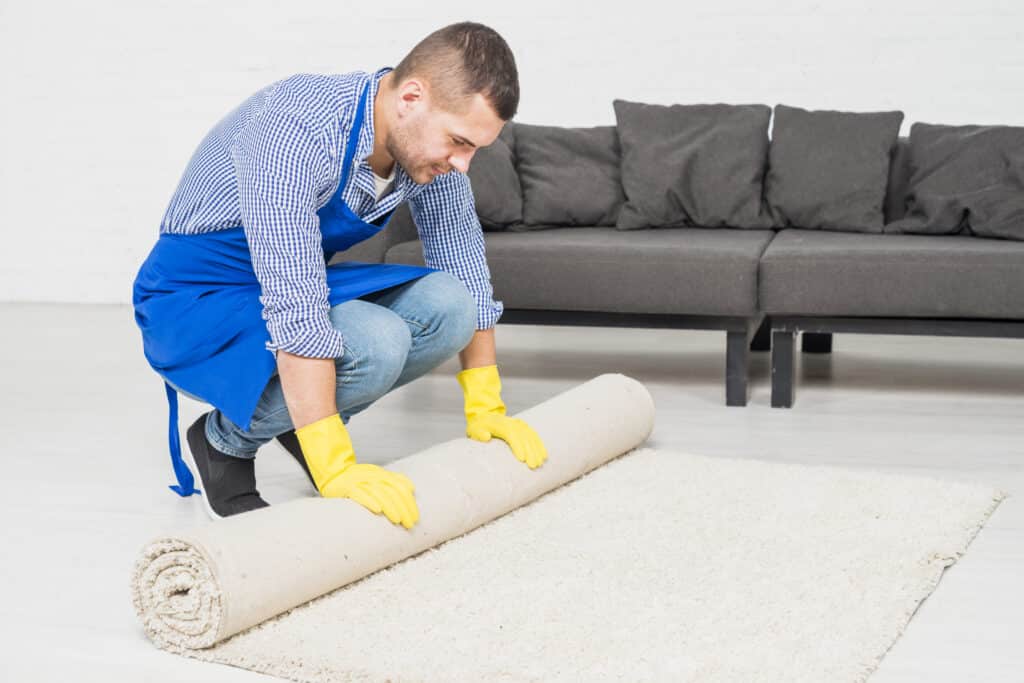
Renovations are often completed to improve productivity, collaboration, or workplace comfort. But, employees are unlikely to appreciate those improvements if they return to a building that still feels like a construction site.
Dusty desks, dirty windows and debris in common areas create unnecessary distractions during the first days back.
Imagine a financial services firm in Midtown upgrading its workspace with collaborative meeting rooms, ergonomic workstations, and improved lighting. Before staff return, professional cleaners remove construction dust from workstations, conference rooms, kitchens, and ventilation grilles.
Instead of noticing what contractors left behind, employees immediately experience the benefits of the renovation.
Businesses often see value in preparing workspaces through:
A clean environment supports a smoother return to normal business operations.
Your building communicates your standards before anyone speaks to a member of your team.
Whether you operate a corporate office, healthcare clinic, retail store, restaurant, educational facility, or apartment complex, visitors often judge the quality of your business by the condition of your premises.
A restaurant in Brooklyn completes a dining room renovation before reopening. New seating, lighting and décor create an entirely new atmosphere. Professional cleaners remove construction dust from chairs, windows, decorative features and high-touch surfaces before the first customers arrive.
Customers commonly notice:
These details communicate professionalism and contribute to a positive customer experience from the moment someone walks through the door.
While every project is different, professional cleaning companies typically follow a structured process to remove construction residue safely and thoroughly.
Rather than focusing only on visible dirt, post-renovation cleaning targets the fine dust and overlooked areas that standard cleaning often misses.
Services commonly include:
The exact scope depends on the size of the property, the type of renovation completed and the client’s operational requirements.
Many businesses consider assigning post-renovation cleaning to existing staff. While this may appear to save money initially, renovation cleaning is far more demanding than routine office cleaning.
Construction dust spreads into areas that are difficult to access and often requires specialised equipment and techniques to remove effectively.
Professional cleaning teams bring experience, commercial equipment and structured cleaning processes that help prepare large properties efficiently.
Working with professionals can provide benefits such as:
This allows employees to focus on returning to business operations rather than cleaning up after construction.
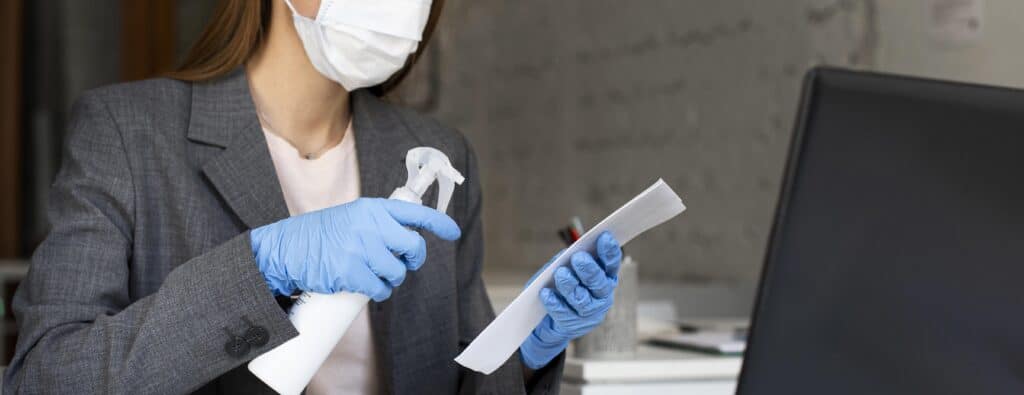
Cleaning should take place only after all construction work, decorating and contractor inspections have been completed. Scheduling cleaning too early can result in additional dust and debris accumulating before the building opens.
Yes. Even relatively small renovation projects, such as replacing flooring, repainting offices, or installing new fixtures, generate fine dust and residue that standard cleaning may not completely remove.
Construction dust is often abrasive. If left on flooring, glass, or finished surfaces, it may contribute to scratching or dulling when people walk across it or wipe it incorrectly.
Using suitable cleaning methods helps protect newly installed materials.
The timeframe depends on factors including:
Small offices may be completed within several hours, while larger commercial buildings can require one or more days.
Yes.Routine commercial cleaning focuses on maintaining an already clean workplace.
Commercial cleaning after renovations focuses on removing construction dust, debris, adhesive residue, paint splatter, protective coverings and contaminants left behind after building work.
Many professional cleaning services clean accessible vents, registers and surrounding surfaces because these areas commonly collect construction dust.
If HVAC duct cleaning is required, a specialist contractor may also be recommended depending on the level of contamination.
Almost every commercial property benefits, including:
Any property welcoming employees, customers, or tenants should be thoroughly cleaned before reopening.
Removing construction dust from surfaces, vents, fixtures, and furnishings helps reduce the amount of dust that can be recirculated through occupied spaces.
The Centers for Disease Control and Prevention and the United States Environmental Protection Agency both recognise the importance of maintaining clean indoor environments as part of overall indoor environmental quality.
In most cases, contractors complete their inspections before the final detailed cleaning. The post-renovation clean is typically one of the last steps before furniture is installed or occupants return.
Once the renovation clean-up is complete, businesses should establish a regular commercial cleaning schedule based on their industry, occupancy levels, and operational needs. Routine maintenance helps preserve the appearance of newly renovated spaces and extends the life of finishes.
Completing a renovation is a significant investment, but the project is only truly finished when the space is clean, safe and ready for the people who use it every day.
At XYZ Cleaning, we provide thorough commercial cleaning after renovations for offices, retail spaces, healthcare facilities, apartment buildings and other commercial properties throughout New York City.
Our experienced team pays attention to the details that are often overlooked, from removing fine construction dust and cleaning high-touch surfaces to preparing reception areas, meeting rooms and shared spaces for immediate use.
Contact XYZ Cleaning today to schedule your post-renovation commercial cleaning service and prepare your property for a successful reopening.