Phone:
(516)349-8800
Physical address:
958 W Jericho Turnpike, Smithtown, NY 11787
50 Years in Business | Est. 1975
50 Years in Business | Est. 1975

A thorough post-construction cleaning check list is a must have any building, office, retail space, healthcare facility, or residential property can safely reopen. Construction leaves behind dust, debris, contaminants and potential safety hazards that standard cleaning doesn’t address.
Whether you’re completing a Manhattan office renovation, a Brooklyn retail fit-out, or a multifamily development in Queens, proper post-construction cleaning protects occupants, improves indoor air quality and helps make sure the space is ready for use.
A complete post-construction cleaning checklist goes beyond making a space look clean. It removes construction dust, eliminates hazards, improves air quality and prepares the property for safe occupancy.
Before reopening any renovated or newly built space, cleaning teams should inspect, clean, sanitise and verify every accessible area.
Main objectives on any cleaning check-list after construction include:
In New York City, where commercial spaces often reopen quickly after renovations, overlooking even minor cleaning tasks can create health, safety and operational issues.
Construction projects generate large amounts of fine dust, even when containment systems are used.
According to guidance from the Occupational Safety and Health Administration (OSHA) and the Environmental Protection Agency (EPA), construction dust can contain materials such as silica particles, wood dust, drywall residue, insulation fibres and other contaminants.
These particles settle everywhere, including areas that may appear clean at first glance.
For businesses reopening after construction, lingering dust can:
A newly renovated medical office in Midtown Manhattan or a retail store in SoHo may look complete, but without detailed cleaning, hidden contaminants usually remain.
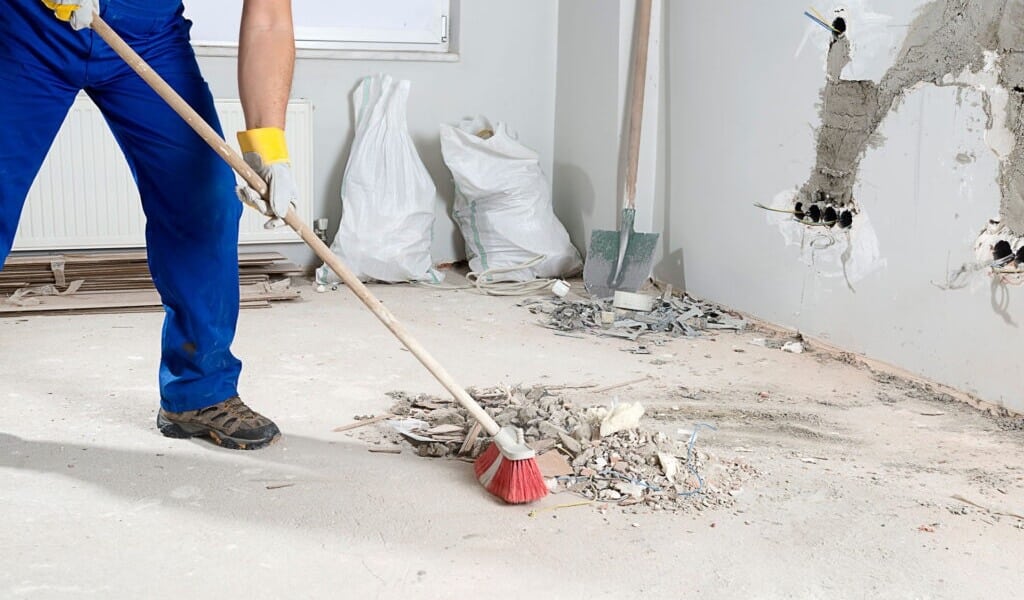
The first stage focuses on clearing large materials left behind by contractors.
Cleaning crews should remove:
Debris should be properly sorted and disposed of according to New York City waste regulations.
Many projects overlook:
These areas often collect a lot of dust and debris during construction.
Dust removal is typically the most time-consuming step.
Construction dust spreads far beyond the immediate work area. In large New York commercial buildings, particles can travel through ventilation systems and settle multiple floors away.
Cleaning teams should start at the highest surfaces and work downward.
Areas requiring dust removal include:
Professional cleaners often use HEPA-filter vacuums because standard vacuums can release fine particles back into the air.
HEPA filters capture extremely small airborne particles that traditional equipment misses.
This is particularly important in:
New York’s dense urban environment already faces challenges with air quality, so making effective dust removal becomes that much more important after construction.
Floors often show the most visible signs of construction activity. Different flooring materials need different cleaning approaches.
Clean and inspect:
Tasks include:
Carpets can trap large amounts of construction dust.
Cleaning should include:
Many newly renovated office spaces in Manhattan use carpet tiles, which require careful cleaning before employees return.
Construction often leaves glass covered in dust, fingerprints, stickers and residue. Every glass surface should be cleaned thoroughly.
This includes:
Cleaning teams should remove:
A spotless glass finish significantly improves the appearance of newly completed spaces, making it easier on you and inspectors.
HVAC cleaning is one of the most critical parts of any post-construction project. Construction dust frequently enters ventilation systems during renovation work.
Main areas include:
Cleaning professionals should inspect systems for visible dust accumulation.
If major renovation work occurred, facility managers may also consider professional duct cleaning.
Common indicators include:
Replacing HVAC filters before reopening is usually the best move.

After dust removal is complete, surfaces should be sanitised.
Frequently touched areas include:
This step is immensely important for healthcare facilities, schools and commercial offices.
Construction activity often leaves restrooms dirty, even when they weren’t directly renovated.
Cleaning should include:
Inspect for dust accumulation in corners and around plumbing penetrations.
A clean restroom is often one of the first indicators occupants use to judge overall facility cleanliness.
Break rooms and kitchen facilities require detailed attention before reopening.
Cleaning should cover:
Dust can settle inside cabinets and drawers during construction. Every storage area should be inspected and cleaned before use.
Cleaning crews should identify and report remaining hazards before reopening.
Potential concerns include:
A final walkthrough will make you sure the property is ready for occupancy.
The final cleaning stage focuses on presentation and quality control.
This phase often includes:
Luxury residential developments in areas such as Tribeca, Long Island City and Williamsburg often place significant emphasis on this final presentation stage before handover.
For quick reference, use this checklist before reopening.
Many property owners underestimate the complexity of cleaning after construction.
Common mistakes include:
These shortcuts often result in complaints from occupants after reopening.
The timeline depends on:
Typical estimates:
Complex projects in New York City often require phased cleaning schedules to meet reopening deadlines.
Yes. Construction leaves behind dust and contaminants that can affect safety, air quality and occupant comfort.
Regular cleaning maintains an occupied space. Post-construction cleaning removes heavy dust, debris, residue, and construction-related contaminants.
In most cases, yes. At minimum, vents, registers, and filters should be inspected and cleaned before reopening.
Yes. Fine dust particles can remain airborne and circulate through ventilation systems if not properly removed.
Initial debris removal can begin immediately. Final cleaning is typically completed after all construction work is finished.
HEPA-filter vacuums are strongly recommended because they capture fine particles that ordinary vacuums may release back into the air.
A comprehensive post-construction cleaning checklist is one of the final and most important steps in any renovation or construction project. While a checklist provides a strong framework, experienced post-construction cleaning professionals know where hidden dust and debris tend to accumulate.
At XYZ Cleaning, our trained post-construction cleaning specialists have the experience, equipment, and attention to detail needed to prepare newly built and renovated spaces for occupancy.
If you’re nearing the end of a construction or renovation project, don’t leave the final results to chance. Contact XYZ Cleaning today and ensure your space is clean, safe, and ready to reopen with confidence.