Phone:
(516)349-8800
Physical address:
958 W Jericho Turnpike, Smithtown, NY 11787
50 Years in Business | Est. 1975
50 Years in Business | Est. 1975

A post-construction cleaning checklist helps you make sure a newly built or renovated space is safe, clean, and ready for use. Construction projects leave behind more than visible dust. They create fine airborne particles, hidden debris, adhesive residue, and other contaminants that require a systematic cleaning approach.
Following a detailed cleaning checklist helps protect occupants, improve indoor air quality, and present the property at its best. An ordinary person focuses on sweeping the floors and wiping surfaces, a professional post-construction cleaning goes much deeper, addressing overlooked areas that can affect safety and cleanliness long after construction crews have left.
A thorough post-construction cleaning checklist is important because construction dust settles everywhere. Even after contractors remove large debris, microscopic particles remain on walls, vents, light fixtures, windows, cabinets, and flooring.
These particles can’t be seen with the eye, and they can affect indoor air quality and continue circulating through HVAC systems if not properly removed. According to the U.S. Environmental Protection Agency (EPA), fine dust and particulate matter can negatively impact indoor environments if left untreated, especially after renovation projects.
Professional cleaning also protects newly installed finishes. Hardwood floors, countertops, stainless steel appliances, and painted walls can all be damaged if construction residue is removed using improper techniques.
A complete checklist will help you make sure every room receives the attention it needs before the property is occupied.
Routine cleaning focuses on maintaining an already clean environment. It typically includes tasks like dusting, vacuuming, mopping, and disinfecting frequently used surfaces. Regular upkeep helps keep a space looking its best while preventing dirt and grime from building up over time.
Post-construction cleaning is a restoration process that removes leftover materials, fine dust, adhesives, paint splatters, caulk residue, stickers, and construction waste without damaging new finishes.
Unlike standard housekeeping, this process often requires:
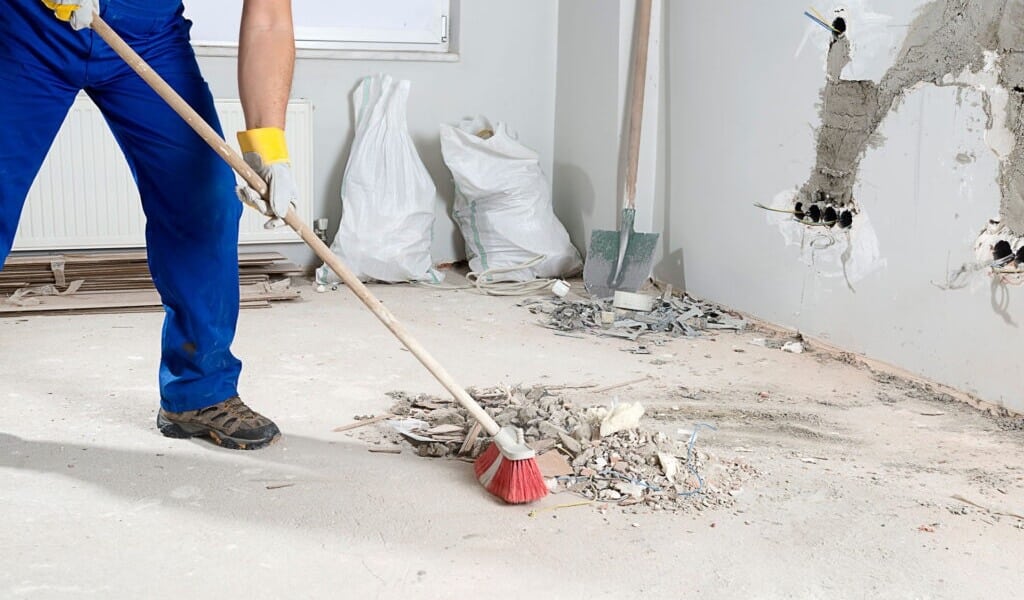
Breaking the cleaning process into individual rooms helps ensure nothing gets overlooked. Professional cleaners usually begin at the highest surfaces and work downward, preventing dust from settling onto already cleaned areas.
Living spaces collect large amounts of drywall dust and airborne debris because they remain open during construction.
You should start by removing dust from ceilings, crown molding, vents, and ceiling fans before moving to walls and windows.
Your checklist should include:
Once you finish, inspect the room from multiple angles using natural light to identify any remaining dust.
Construction debris can be mostly found inside cabinets and drawers before they are ever used. Kitchen cleaning should focus on every storage area, food preparation surface, and appliance.
Clean:
Don’t forget to remove protective plastic film from new appliances after all dust has been eliminated.
Bathrooms may appear clean because they’re smaller spaces, but renovation dust easily collects around plumbing fixtures and tile grout. Work systematically throughout the room.
Make sure to use special bathroom cleaning supplies and clean:
Bedrooms are the places where you sleep, and it’s important to keep them clean. They require careful dust removal to improve indoor air quality before furniture is moved back inside.
Professional cleaners typically clean from top to bottom while minimizing airborne dust.
Usually they focus on:
Bedrooms often benefit from a second HEPA vacuuming after the initial cleaning.
With remote work becoming increasingly common throughout New York, home offices deserve special attention.
Construction dust can settle inside cable management systems, electrical outlets, desks, shelving, and electronics.
Before reconnecting computers or office equipment:
A clean workspace helps protect sensitive electronics while creating a healthier work environment.
These high-traffic areas often collect the most construction debris because workers frequently move materials through them.
Cleaning should include:
A spotless entrance creates an excellent first impression for homeowners, tenants, or prospective buyers.
Commercial construction projects often involve significantly more dust due to their size.
Buildings can get dusty very fast, especially in busy areas, like Manhattan, Brooklyn or Queens. That is why you need to make sure cleaning is focused around:
Businesses should also verify that all spaces meet cleanliness standards before employees or customers return.
Even after a room looks clean, hidden dust and debris can remain in places that are easy to overlook.
These forgotten areas often continue releasing dust into the air long after the project is finished, making a second, more detailed inspection an essential part of any post-construction cleaning checklist.
The risks associated with construction dust, including respirable crystalline silica, highlight the importance of thorough cleanup and proper dust control practices, as outlined by OSHA.
Professional cleaners revisit each room specifically to address these high and low touchpoints before considering the job complete.
Pay close attention to:
These surfaces collect fine drywall dust that isn’t immediately visible. Running a clean microfiber cloth over them is a simple way to check whether additional cleaning is needed.
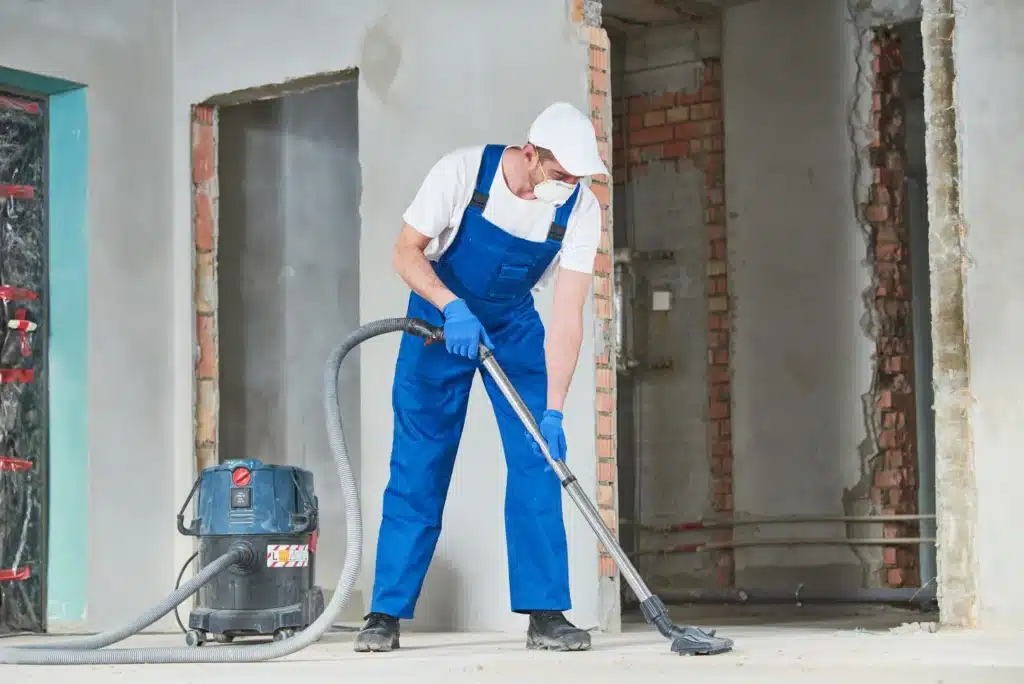
Cleaning after construction isn’t the same as routine housekeeping. Dust from drywall, wood, concrete, insulation, and other building materials can irritate the eyes, skin, and respiratory system if proper precautions aren’t taken.
The Occupational Safety and Health Administration (OSHA) recommends using appropriate personal protective equipment (PPE) when cleaning areas affected by construction dust. Depending on the project, this may include gloves, eye protection, and respiratory protection to reduce exposure to airborne particles.
Before starting, make sure you have:
Avoid dry sweeping large amounts of dust, as this can send particles back into the air. Instead, vacuum with a HEPA-equipped machine before wiping surfaces with damp microfiber cloths.
If the renovation involves older buildings, additional precautions may be necessary. The U.S. Environmental Protection Agency (EPA) provides guidance for projects that may disturb lead-based paint, while the Centers for Disease Control and Prevention (CDC) offers recommendations for maintaining healthy indoor environments after construction or renovation work.
Many property owners underestimate how much work remains after contractors leave. While it may seem tempting to do a quick cleanup, skipping important steps can leave behind dust that continues circulating through the property.
Some of the most common mistakes include:
Small DIY renovations may only require a few hours of cleaning, but larger remodeling projects often benefit from professional services.
If your project involves multiple rooms, drywall installation, flooring replacement, painting, or commercial construction, hiring experienced cleaners can save time while ensuring no detail is overlooked.
Professional cleaning is especially valuable for:
Professional teams use commercial-grade equipment, specialized cleaning products, and proven processes to remove construction dust safely without damaging new surfaces.
Construction projects throughout New York City, Brooklyn, Queens, Bronx, Staten Island, Long Island, and Westchester County often present unique cleaning challenges.
Urban construction sites can accumulate additional dust from nearby traffic, while apartment renovations require careful debris removal in shared hallways, elevators, and common areas. Paying close attention to these high-traffic spaces helps prevent dust and debris from spreading throughout the building. A thorough cleanup also leaves a safer, more professional impression for residents, visitors, and property managers.
In commercial buildings, cleaning schedules need to align with property management requirements and tenant move-in dates.
Seasonal weather can also play a role. Winter construction projects may track in salt and moisture, while warmer months can increase pollen and outdoor dust entering open workspaces. Adjusting your cleaning process to account for seasonal conditions helps ensure no contaminants are left behind. Taking these extra steps creates a cleaner, safer environment before the space is occupied.
Planning for these local factors helps ensure a cleaner, healthier finished space.

The time required depends on the size of the property and the scope of the project. A single-room renovation may take a few hours, while a newly built home or commercial space can require a full day or multiple visits to remove all dust and debris thoroughly.
Construction cleanup usually involves removing large debris, leftover materials, and waste during the project. Post-construction cleaning is the detailed final cleaning performed after all work is complete, focusing on dust removal, surface cleaning, and preparing the property for occupancy.
Construction dust contains extremely fine particles that settle into vents, window tracks, fabrics, and textured surfaces. Without HEPA vacuums and microfiber cleaning methods, the dust can easily become airborne again and continue circulating throughout the building.
Yes, smaller renovation projects can often be cleaned by homeowners with the right equipment and enough time. Larger projects, commercial properties, or spaces with significant dust and debris are usually better handled by professional cleaning teams.
If construction dust entered the HVAC system, cleaning vents, registers, and replacing air filters is highly recommended. This helps improve indoor air quality and prevents dust from spreading through the property after cleaning has been completed.
Microfiber cloths, HEPA-filter vacuums, pH-neutral surface cleaners, glass cleaners, and non-abrasive floor cleaning products are generally the safest choices. Always follow manufacturer recommendations for newly installed materials and finishes.
Yes. Even if the property appears clean, fine dust often remains on surfaces and inside cabinets, vents, and fixtures. Completing a thorough cleaning before moving in creates a healthier and more comfortable living or working environment.
Most projects require one detailed cleaning before occupancy. Larger renovations may benefit from a second light cleaning several days later, as any remaining airborne dust has had time to settle.
Completing a thorough cleaning process is the final step in transforming a construction site into a clean, safe, and welcoming space. Every detail contributes to a healthier indoor environment. Taking the time to complete every step ensures the space is fully prepared for its intended use and reflects the quality of the work that went into the project.
If you’d rather leave the final cleanup to experienced professionals, XYZ Cleaning is here to help. Our team provides comprehensive post-construction cleaning services for residential and commercial properties throughout New York, using professional equipment and proven cleaning methods to deliver exceptional results.
You can rely on our experienced team to handle every detail and ensure your space is spotless, move-in ready, and completed according to a professional post-construction cleaning checklist.