Phone:
(516)349-8800
Physical address:
958 W Jericho Turnpike, Smithtown, NY 11787
50 Years in Business | Est. 1975
50 Years in Business | Est. 1975

Knowing how to hire construction cleaning services starts with looking beyond the lowest quote. You need a crew with post-construction experience, appropriate equipment, insurance, safety practices, and a clearly defined scope of work.
The wrong choice can leave fine dust, adhesive residue, debris, or damaged finishes behind and create delays before move-in or handover.
This guide explains the key questions to ask, red flags to avoid, and factors to consider when choosing a post-construction cleaning company in NY and Long Island.
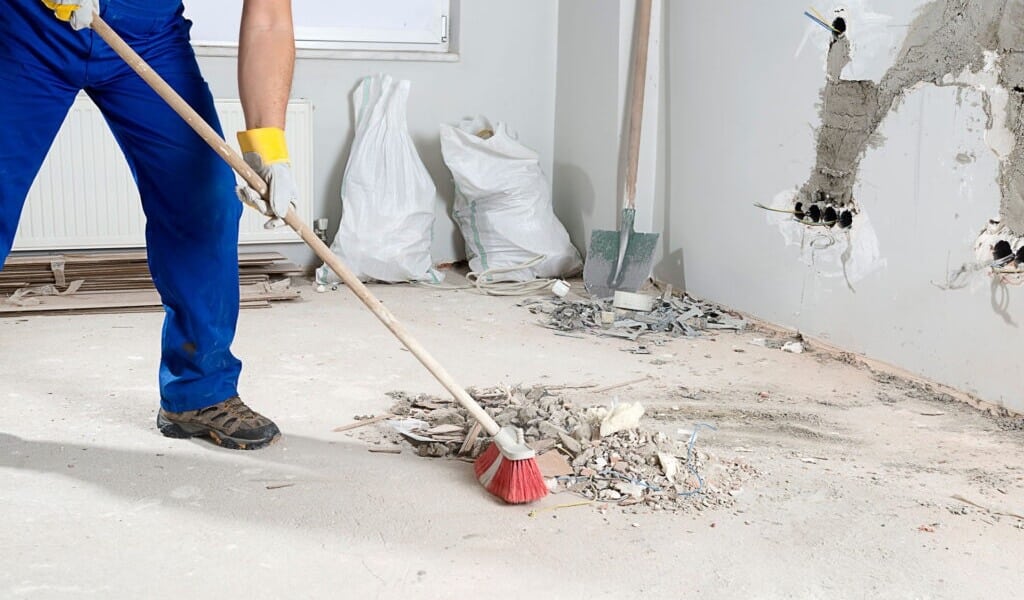
The first step in learning how to hire construction cleaning services is confirming that the company regularly handles construction and renovation cleanup. Post-construction cleaning is different from routine residential or office cleaning because the crew may need to deal with fine construction dust, debris, paint splatters, adhesive residue, grout haze, protective films, and unfinished or newly installed surfaces.
You should also ask how the company approaches the different stages of a project. A professional cleaning plan may include a rough clean after major construction work, a detailed or final clean after finishes are installed, and a touch-up clean before handover or occupancy.
For a residential renovation, the focus may be on kitchens, bathrooms, flooring, windows, cabinets, and living areas. For a commercial project, you may also need cleaning for offices, retail areas, hallways, elevators, lobbies, or other shared spaces.
The right post construction cleaning questions help you compare companies based on quality and risk, rather than price alone. Ask every provider the same core questions so you can evaluate their answers consistently.
Ask for a written, itemized scope of work. It should explain which rooms, surfaces, cleaning phases, and specific tasks are included.
A vague promise to “clean the entire property” makes it difficult to know what you’re paying for. Your scope should clarify whether services include items such as:
You should also ask what is excluded. Hazardous waste, exterior high-rise windows, heavy debris hauling, carpet extraction, or specialty restoration may require separate arrangements depending on the project.
Experience matters because different properties create different cleaning challenges. Ask whether the company has handled projects similar to yours, such as a home renovation, apartment, office build-out, retail space, medical facility, or larger commercial property.
Ask for examples of comparable work, before-and-after photographs, or references where appropriate. You want evidence that the crew understands construction schedules and can work around other trades when necessary.
For Long Island projects, you should also discuss building access, parking, elevators, loading areas, and any property-specific rules before scheduling the work.
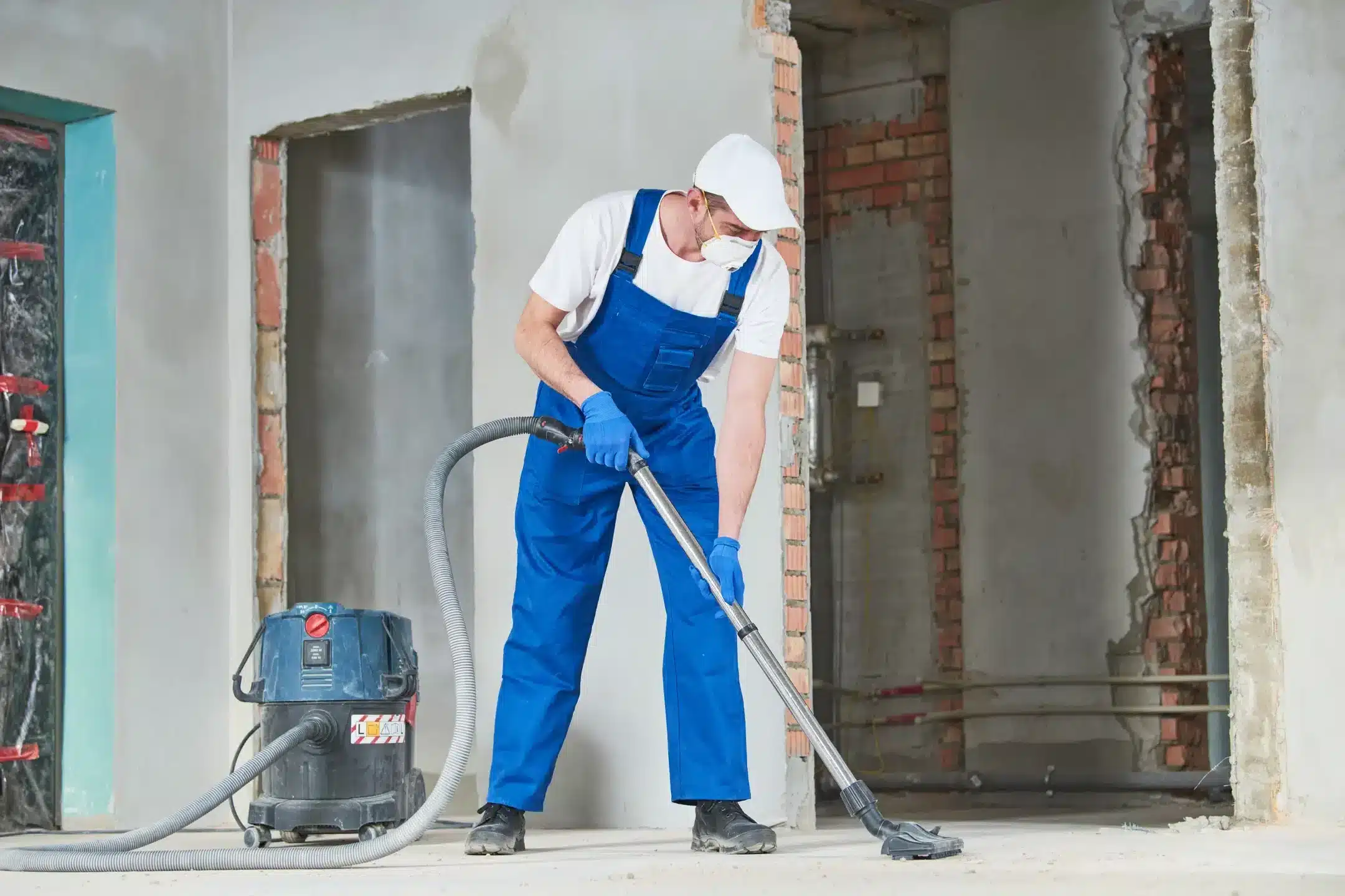
Ask what equipment the crew will bring and how they control fine dust. Construction dust can settle on surfaces and move into areas that are easy to overlook.
HEPA-filtered vacuums can be useful for capturing fine particles rather than simply moving dust from one surface to another. EPA guidance also emphasizes dust control, containment, ventilation, and appropriate cleanup practices during construction and renovation activities.
The right equipment will depend on your surfaces and project conditions. A crew cleaning newly installed hardwood, natural stone, glass, polished concrete, or custom millwork should understand that aggressive products or techniques can cause damage.
Ask for proof of insurance before work begins. Licensed and insured cleaning companies should be able to explain their coverage and provide documentation when requested.
You should also ask how the crew handles personal protective equipment, dust exposure, chemicals, and active construction hazards. OSHA provides construction safety requirements and guidance covering housekeeping, PPE, and other jobsite hazards.
One important distinction: hiring a cleaning company does not automatically mean every construction-related hazard is covered by the cleaning crew. If your project involves asbestos, lead, mold, silica exposure, hazardous chemicals, or other regulated materials, ask the appropriate contractor or environmental professional what specialized procedures are required.
Construction schedules change. Ask when the crew can start, how much notice they need, and what happens if another trade delays the cleaning.
You should also ask whether a final inspection or touch-up process is included. Construction dust can resettle after cleaning, especially when additional work continues in the building.
A good schedule may look like this:
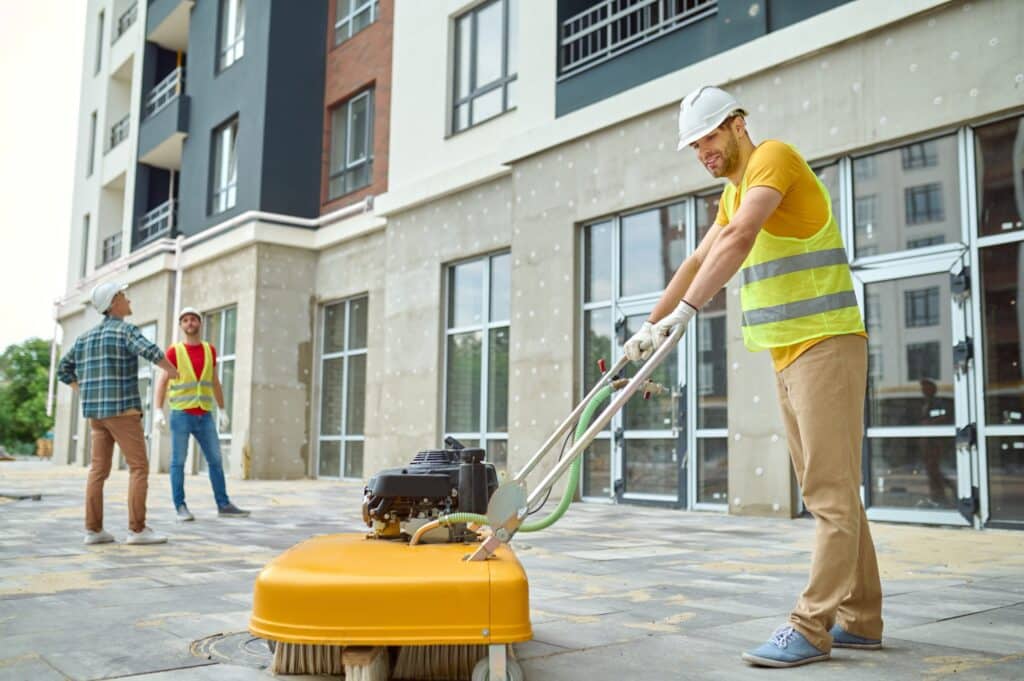
Insurance and safety practices should be part of your hiring decision, not an afterthought. Construction sites can contain sharp debris, dust, unfinished surfaces, elevated work areas, chemicals, and equipment that create risks for workers and other people on site.
OSHA’s construction housekeeping standard requires construction areas, passageways, and stairs to be kept clear of debris and other hazards during construction, alteration, or repair work.
You should therefore ask how the cleaning crew coordinates with the contractor or site supervisor. The cleaning company should know which areas are ready to enter and which remain active work zones.
Dust management also deserves attention. EPA guidance recommends practices that help reduce and contain construction dust, including appropriate cleaning methods and dust-control measures.
There is no reliable single price for every NY or Long Island project because the scope can vary substantially. Square footage is only one factor. The amount of debris, number of floors, surface types, window quantity, ceiling height, cleaning phases, accessibility, and scheduling requirements can all affect the quote.
If you have a commercial project or a larger renovation, ask whether pricing is calculated by square footage, phase, labor, or an overall project scope. Then compare quotes using the same specifications.
For an accurate estimate, provide:
The cheapest quote may not be the lowest overall cost if it excludes important tasks and requires you to hire another company for unfinished work. Compare the complete scope, equipment, insurance, schedule, and touch-up policy before choosing.
A provider’s quote and communication can tell you a lot before you sign a contract. Be cautious if a company avoids specific answers or cannot explain how its process fits your construction schedule.
Watch for these warning signs:
Hiring a cleaning company before understanding the scope can create avoidable delays and extra costs. You can reduce the risk by making the cleaning requirements part of your project planning from the start.
Not every project requires the same level of professional cleaning. If you completed a small renovation and your contractor has already removed debris and performed a thorough cleanup, you may only need targeted cleaning rather than a full multi-phase service.
A small project with limited dust and no specialty finishes may also be manageable with a less expensive cleaning option. However, professional post-construction cleaning becomes more valuable when you have extensive fine dust, multiple rooms, new finishes, tight deadlines, commercial spaces, or a property that needs to be ready for occupants quickly.
Waiting can also make sense if construction is still active. Cleaning before dusty work, sanding, installation, or punch-list activity is complete can result in paying to clean the same areas twice.
You can help your cleaning crew work efficiently by confirming that major construction activity is complete before the final cleaning. Utilities should be available, access should be arranged, and large debris should be handled according to the agreed scope.
For buildings in Long Island, ask about parking, loading areas, elevator access, building hours, security requirements, and property-management rules before the scheduled date. If you’re working in a multi-unit building, confirm whether hallways, entrances, elevators, or other shared areas need to be included.
Keep furniture, decorations, and personal belongings out of the space when possible until detailed cleaning is complete. This gives the crew better access to surfaces and reduces the risk of new dust settling on items you’ve already moved in.
Ask about construction-cleaning experience, insurance, equipment, cleaning phases, included services, exclusions, scheduling, and touch-ups. You should also request a written scope of work and ask how the crew handles specialty finishes. These post construction cleaning questions help you compare providers on quality, safety, and total value rather than price alone.
Book as soon as your construction schedule becomes clear, especially if your cleaning date is tied to a move-in, inspection, opening, or handover. Your final date may change as construction progresses, so confirm scheduling requirements early and keep the cleaning company updated when the contractor’s timeline changes.
The scope varies, but post-construction cleaning can include construction dust removal, surface detailing, window and glass cleaning, kitchen and bathroom cleaning, floor cleaning, cabinet cleaning, fixture detailing, and final touch-ups. Always request an itemized scope because debris removal, exterior windows, specialty restoration, and other services may be excluded.
You should verify that the company has the appropriate business credentials and insurance for the work being performed. Ask for proof of insurance and clarify coverage before work starts. Depending on the project, you may also need to confirm specific safety or regulatory requirements with your contractor or building management.
It depends on the contract. Some cleaning companies remove light construction debris, packaging, protective materials, and small scraps, while larger debris hauling or disposal may be outside the cleaning scope. Ask exactly what debris removal includes, what disposal method is used, and whether additional hauling charges apply.
You may benefit from both when additional work continues after the main cleaning. A final clean addresses detailed dust and surface cleaning after construction is substantially complete. A touch-up clean can then remove dust, fingerprints, or marks created during punch-list work before handover or occupancy.
It can if inappropriate products, tools, or techniques are used. Newly installed stone, hardwood, glass, tile, polished concrete, and custom millwork may require specific cleaning methods. Ask your provider how it handles each material and provide product or manufacturer instructions when they are available.
Your next step is to compare providers using a written scope, safety documentation, relevant experience, equipment, scheduling plan, and complete quote.
At XYZ Cleaning, we provide post-construction cleaning solutions designed around the requirements of your property and project schedule. Our approach focuses on customised solutions, appropriate cleaning materials and technology, detailed service planning, and personalised communication from the initial discussion through completion.
If you’re still deciding how to hire construction cleaning services, let us help you evaluate what your project needs and develop a cleaning plan around your timeline and property.