Phone:
(516)349-8800
Physical address:
958 W Jericho Turnpike, Smithtown, NY 11787
50 Years in Business | Est. 1975
50 Years in Business | Est. 1975
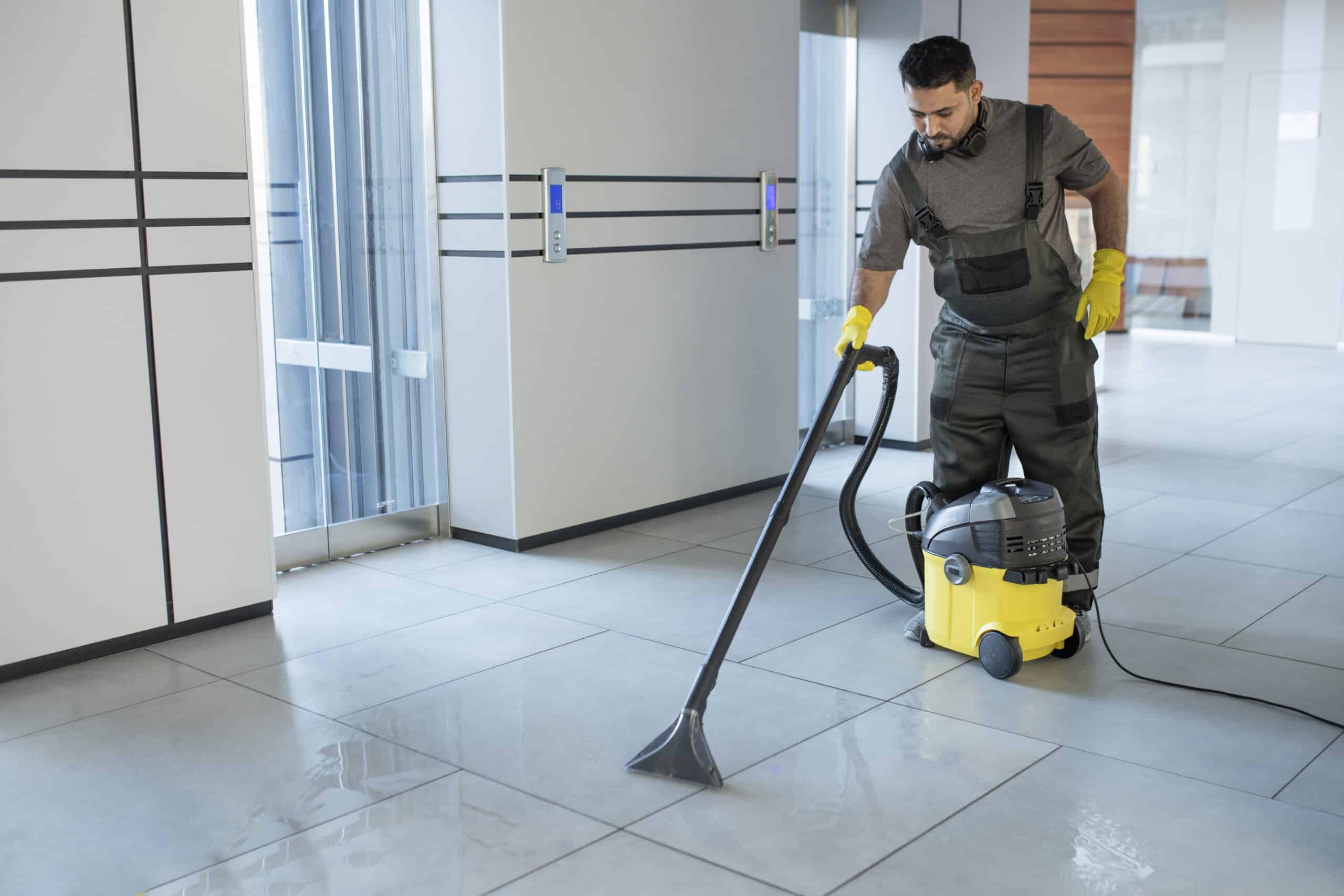
The key phases of post construction cleaning typically move from heavy debris removal to detailed cleaning and final touch-ups. Each phase has a specific purpose and is completed at a different point in the construction process. Following this sequence helps ensure that the space is cleaned efficiently without interfering with remaining construction work or creating unnecessary repeat cleaning.
Post-construction cleaning is typically completed in multiple phases, with each stage serving a different purpose as a property moves closer to completion. The process helps transform a work site into a clean, presentable, and usable space while addressing the dust, debris, and residue left behind during construction.
In this article, we’ll cover the main phases of post-construction cleaning, what each stage is intended to accomplish, and how they fit into the overall cleanup process. You’ll also learn when each phase typically takes place and why completing the stages in the right order can help prepare the property for its next use.
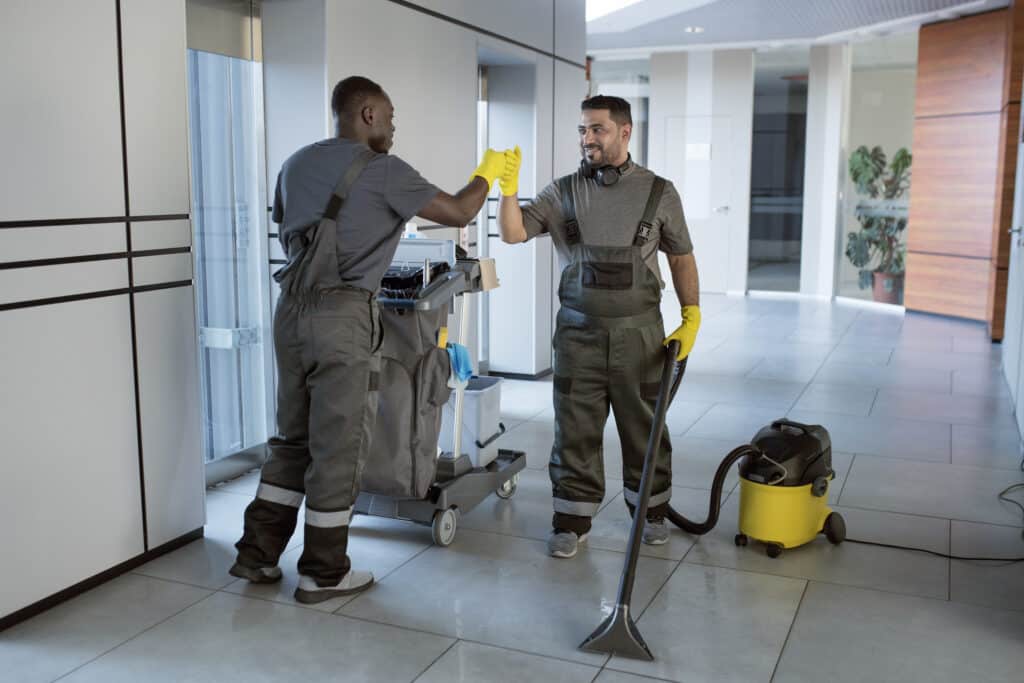
Understanding the phases of post-construction cleaning in New York can help property owners, contractors, and project managers plan the cleanup process more effectively.
Post-construction cleaning goes beyond removing visible dust and debris. Construction work can leave behind fine particles, packaging materials, adhesive residue, paint splatters, and other remnants that may not be noticeable until the space is prepared for final use. A structured cleaning process helps ensure these details are addressed while making the property safer, cleaner, and more presentable for occupants, clients, or visitors.
Each stage is designed to address different cleaning needs as the property moves from an active construction site toward a finished, usable space.
The first of the phases of post construction cleaning focuses on removing the heavier debris and construction residue left behind after major work is completed. This stage gives you a safer, more workable space for detailed cleaning to begin.
During construction, a property can accumulate packaging, scraps, dust, discarded materials, and other debris. A rough clean addresses these larger materials before attention shifts to surfaces that require more careful treatment.
This phase is coordinated with general contractors because the timing depends on how much construction activity remains. Cleaning too early can mean that newly removed debris is replaced by another round of construction waste.
A rough clean may include:
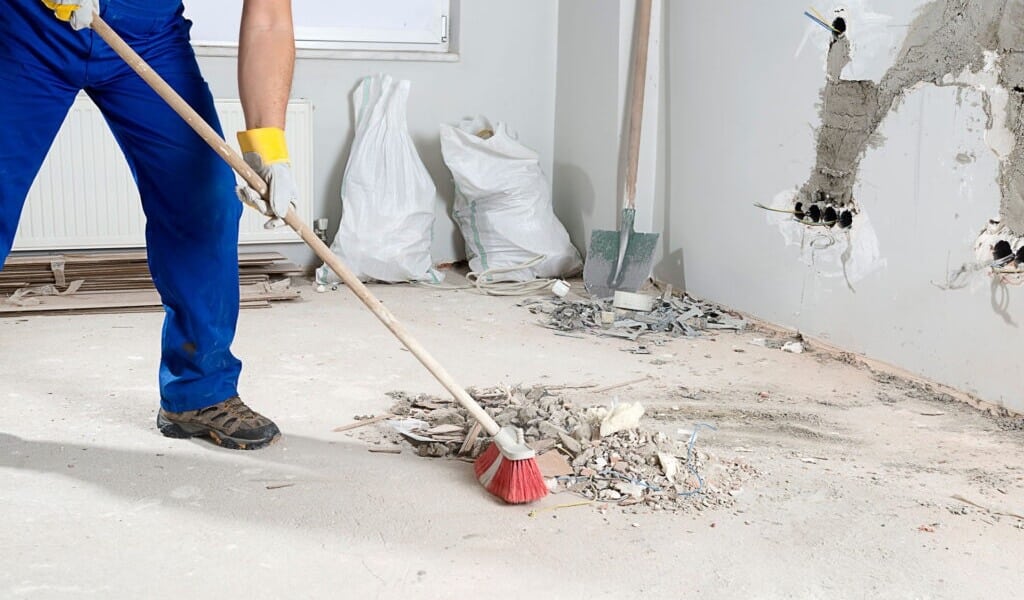
The exact scope depends on the condition of the property and the work completed. A newly renovated office, retail space, and commercial building may each require a different approach based on the materials, layout, and amount of construction activity.
Rough cleaning works best after the major construction work in a particular area has finished. If contractors are still cutting, drilling, installing, or moving materials through the space, additional debris can quickly accumulate.
For that reason, coordinate the first cleaning phase with the construction schedule. A clear handoff between contractors and cleaners reduces unnecessary repeat work and helps the following cleaning phase begin with a more stable environment.
The second phase shifts from removing construction debris to cleaning the surfaces that remain. This is where accumulated dust, residue, and construction-related buildup receive more detailed attention.
After rough cleaning, fine dust can still remain on floors, fixtures, walls, windows, ledges, and other accessible surfaces. Light or detail cleaning addresses these areas so the property begins to look and feel finished rather than recently renovated.
The work may involve cleaning:
The condition of the property determines how much detail is necessary. Construction dust can settle in areas that are easy to overlook, so a visual inspection before cleaning can help identify surfaces that need additional attention.
Understanding rough clean vs final clean is useful when you are planning the overall project. A rough clean deals primarily with larger debris and prepares the property for more detailed work.
The two stages also serve different purposes within the overall cleanup process. Recognizing when each type of cleaning is needed can help keep the project organized, prevent unnecessary rework, and ensure that the property is ready for the next stage (regardless if the stage is finally moving in or continuing with different type of construction).

These stages serve different purposes, so one should not automatically be treated as a replacement for the other. If you schedule only one cleaning visit, the result may be less consistent because heavy debris removal and finishing work require different levels of attention.
The third phase is the final touch-up stage. At this point, construction work should be substantially complete, and the cleaning focuses on remaining dust, marks, fingerprints, residue, and other small issues that become visible during the final inspection.
A post construction touch up clean is useful when a space has already received its main cleaning but needs another pass before occupants, customers, employees, or other users enter the property.
Touch-ups may be needed after fixtures are installed, contractors complete final adjustments, or furniture and equipment are moved into position. Those activities can create small amounts of dust or leave marks on surfaces that were previously cleaned.
A final inspection can help identify areas that need attention, such as:
The touch-up phase should be based on the actual condition of the property.
At this point, the focus is on identifying any areas that need additional attention before the space is considered ready. A walkthrough can help reveal dust, marks, smudges, or other minor issues that may have appeared during the final stages of the project. This allows the cleaning team to address specific areas rather than repeating the entire cleaning process unnecessarily.
If the space remains clean after the detail stage and no additional construction activity has occurred, you may need fewer touch-ups. If contractors continue working in the space, another cleaning pass may be more practical.
What’s included in post construction cleaning depends on the property’s condition, construction scope, and cleaning requirements. A complete plan can cover debris removal, dust removal, detailed surface cleaning, floor care, glass cleaning, fixtures, and final touch-ups.
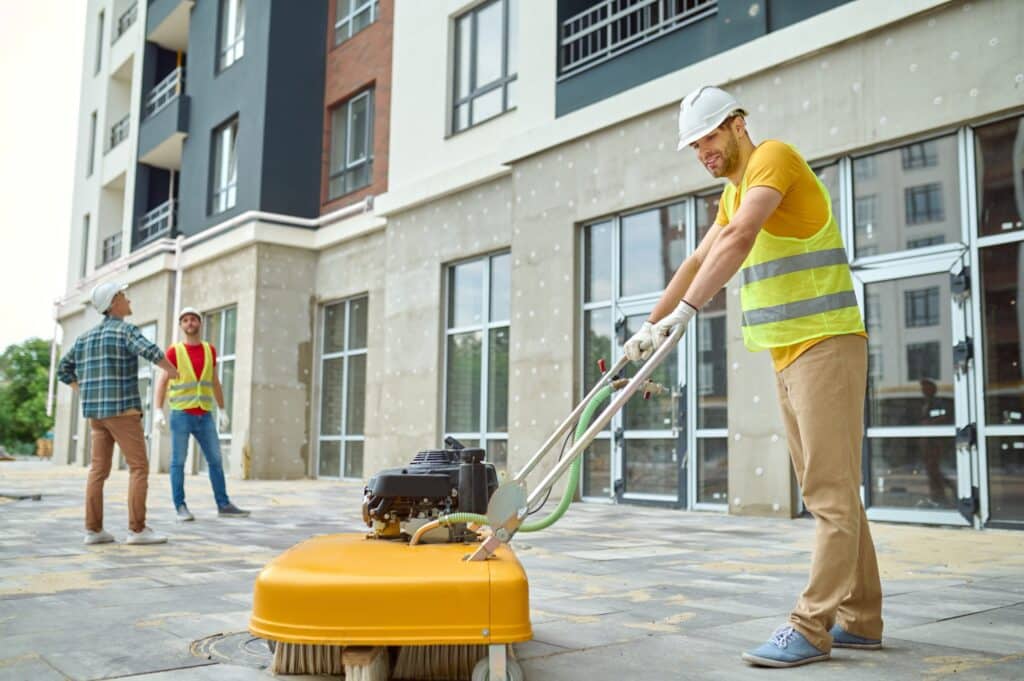
Before hiring a cleaning provider, ask for a clear scope of work. The scope should explain which areas will be cleaned, what type of debris will be removed, which surfaces are included, and whether follow-up touch-ups are part of the service.
This is also where communication with your contractor becomes useful. If certain areas are still under construction, those areas may need to remain outside the cleaning scope until the work is finished.
The cost of post construction cleaning varies because there is no single scope that applies to every property. The size of the space, amount of construction debris, number of surfaces requiring detailed work, property condition, and number of cleaning phases can all affect the final quote.
For a commercial property, you should also consider how much preparation is needed before employees, tenants, or customers can use the space. A property with substantial debris and fine dust may require more labor than a space that only needs a final detailed cleaning.
Because pricing depends on the actual condition and requirements of the property, the most reliable approach is to request a quote based on your specific space rather than relying on a generic market estimate.
Not every project requires the same cleaning schedule. If your property has very little construction debris and the contractor has already removed most waste, a full rough-clean stage may not be necessary.
You may also be able to reduce repeat cleaning if the construction schedule is well coordinated and all major work is completed before detailed cleaning begins.
Clear communication between the cleaning team, contractors, and property managers can make this coordination easier. Confirming when construction activities will end, when the cleaners can access the property, and whether any work will continue afterward can help prevent newly cleaned areas from becoming dirty again. A well-timed cleaning schedule can make the process more efficient and reduce unnecessary work.
Reviewing the property’s condition and construction timeline can help you choose the appropriate scope instead of automatically purchasing every available cleaning stage.

Avoiding common post-construction cleaning mistakes can help prevent unnecessary rework, delays, and added costs.
Keep these points in mind when planning the cleaning schedule and coordinating the final stages of your project.
The 3 phases generally include rough cleaning, light or detail cleaning, and final touch-up cleaning. Rough cleaning removes larger construction debris, detailed cleaning addresses dust and residue across accessible surfaces, and touch-ups correct smaller issues found after the main cleaning is complete.
A rough clean is the initial cleaning stage after major construction work in an area is complete. It focuses on removing larger debris, discarded materials, packaging, and obvious construction residue so the property is ready for more detailed surface cleaning.
Rough cleaning prepares the property by removing heavier debris and construction residue. Final cleaning focuses on the finished condition of the space, including detailed surface cleaning and visible marks or dust. A final touch-up may follow if additional work or movement creates new cleaning needs.
Detailed cleaning should generally take place after major construction activity in the relevant area has finished. Cleaning too early can result in new dust and debris from contractors. Coordinating cleaning with the construction schedule helps reduce repeated work and keeps the final cleaning focused.
A touch-up clean can be useful when small amounts of dust, residue, fingerprints, or marks remain after detailed cleaning. It can also be necessary when contractors complete final installation work after the main cleaning. If the property remains clean and no additional work occurs, fewer touch-ups may be needed.
Start by confirming which construction work is complete and which areas are ready for cleaning. Remove personal or valuable items that should not be handled, identify areas with restricted access, and clarify the expected cleaning scope with your provider and general contractor.
Getting a commercial space ready for occupancy takes more than removing visible construction debris. A professional cleaning plan helps address dust, residue, and hard-to-reach areas while preparing the property for employees, customers, tenants, or clients.
XYZ Cleaning provides professional cleaning services for offices, retail spaces, and other commercial properties across New York. Our team uses eco-friendly and hygienic cleaning solutions tailored to the condition of your space, project schedule, and cleaning requirements.
With the right approach and the 3 phases of post construction cleaning, you can move from construction completion to a clean, presentable space without unnecessary delays or repeat visits.
Contact XYZ Cleaning today to bring your project across the finish line with confidence and clarity.