Phone:
(516)349-8800
Physical address:
958 W Jericho Turnpike, Smithtown, NY 11787
50 Years in Business | Est. 1975
50 Years in Business | Est. 1975
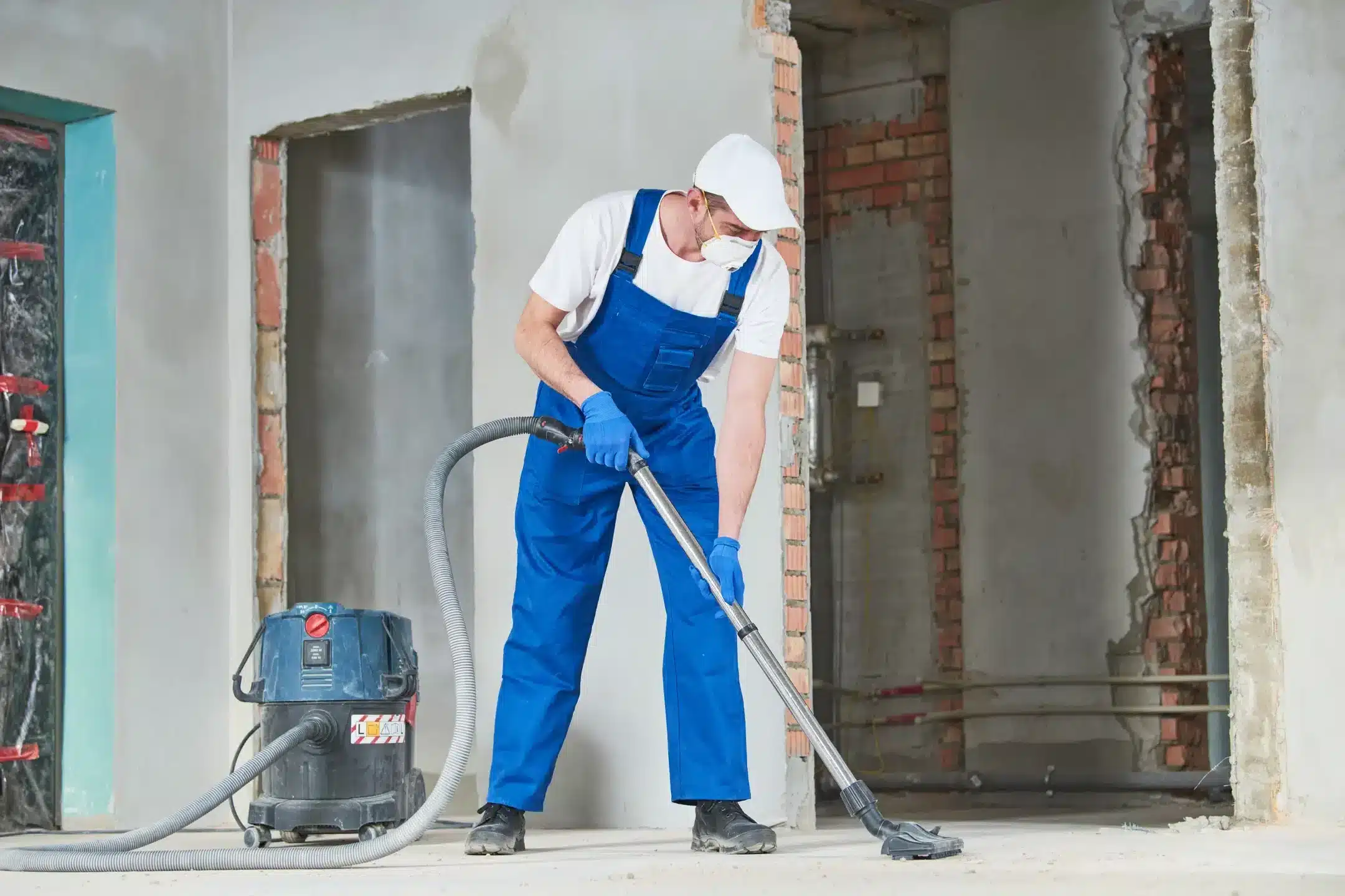
Your retail store may look finished after a renovation, but it is not ready for customers until construction dust, debris, residue, and other leftover materials have been removed. Retail post renovation cleaning helps prepare your space for opening by addressing everything from display cases and glass to floors, high ceilings, fixtures, and customer-facing areas.
The right cleaning sequence can also help you avoid unnecessary rework and delays. Here is what you should know about cleaning a renovated retail or commercial space in NYC and Long Island.
Retail post renovation cleaning is a detailed cleanup performed after construction or renovation work is substantially complete. It goes beyond routine janitorial cleaning by focusing on construction dust, adhesive residue, paint splatters, packaging, debris, and fine particles left behind by contractors.
Your cleaning scope may include sales floors, display fixtures, shelving, checkout counters, fitting rooms, restrooms, stockrooms, windows, doors, floors, vents, and other areas affected by the renovation.
The exact scope depends on your space. A small boutique with new flooring may need a different approach from a large retail location with high ceilings, extensive glass, custom millwork, and multiple display areas.
The most effective approach is to clean from high surfaces down to the floor. This prevents dust from ceilings, fixtures, vents, and ledges from settling onto areas that have already been cleaned.
A typical cleaning sequence includes:
Fine drywall dust can spread throughout a store if it is not handled correctly. Dust control practices, including methods that help prevent particles from becoming airborne, should be part of the cleanup process. The EPA’s dust control guidance provides useful information on controlling dust during construction-related activities.
You should also coordinate cleaning with your HVAC system and check filters after renovation work. This can help prevent accumulated construction dust from being redistributed when the system returns to normal operation.
Retail environments require extra attention because customers interact directly with the finished space. Display cases, polished fixtures, glass, signage, fitting rooms, and checkout counters can show even small amounts of dust or residue.
High ceilings create another challenge. Dust can settle on lighting, exposed beams, vents, signs, and architectural details that are difficult to reach from the floor. Your cleaning plan should account for the equipment and access needed to clean these areas safely.
Display cases also require care. Glass should be cleaned without streaks, while shelving and millwork should be cleaned according to their materials and finishes. Using aggressive products or abrasive tools can damage surfaces that were just installed.
For stores with large storefronts, cleaning should include glass, frames, sills, entrances, thresholds, and other visible areas where appropriate. These are among the first surfaces customers see when they arrive.
If your opening date is fixed, scheduling can be just as important as the cleaning itself. Overnight or after-hours crews can allow cleaning to take place while your store is closed, reducing disruption to contractors, merchandising teams, employees, and customers.
You should coordinate the cleaning around the construction schedule rather than bringing cleaners in while trades are still generating dust. Otherwise, freshly cleaned areas can quickly become dirty again.
A practical schedule may include a rough cleanup after major construction debris has been removed, followed by a detailed final clean once fixtures and finishes are complete. A final touch-up shortly before opening can then address dust, fingerprints, scuffs, packaging, or residue created during merchandising and deliveries.
This approach can be particularly useful for NYC retail locations where building access, deliveries, elevators, and busy surrounding streets can affect your schedule. Long Island stores may have different access arrangements, but coordinating the cleaning around construction and merchandising is still important.
Post-renovation cleaning can involve fine dust, elevated work areas, construction debris, chemicals, and recently installed materials. Your cleaning plan should account for these hazards rather than treating the project like routine commercial cleaning.
Workers should use appropriate equipment and protective measures based on the conditions of the site. OSHA provides workplace safety information covering hazards and safe work practices, while its personal protective equipment guidance explains how appropriate PPE can help protect workers from workplace hazards.
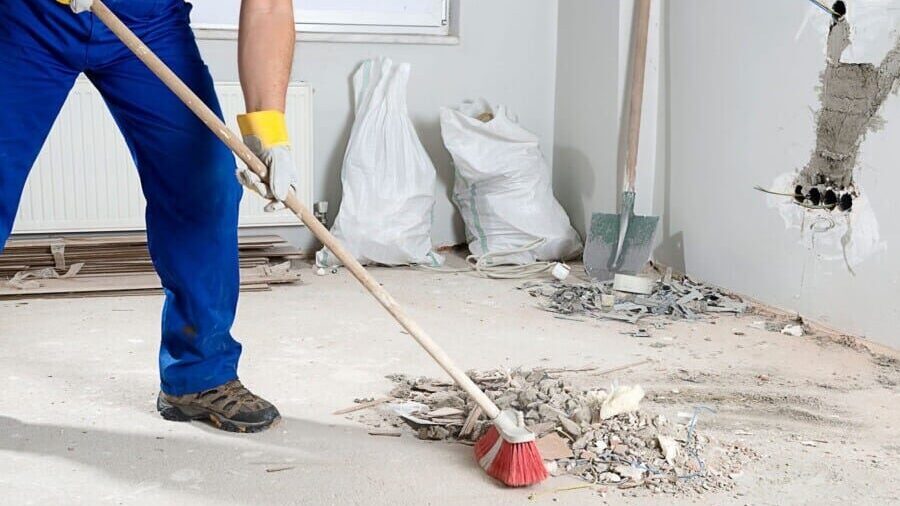
Fine construction dust should also be handled carefully. Avoid dry sweeping when it can send dust back into the air, and use appropriate vacuuming or damp-cleaning methods for the materials present.
If your renovation involves suspected asbestos, lead-based paint, or another hazardous material, do not assume a standard cleaning crew can handle it. Stop and determine whether specialized testing, removal, or abatement is required before proceeding.
The cleaning crew can work more efficiently when the site is ready for final cleaning. You should confirm that major construction work is complete and identify anything that must remain in place.
Before cleaning begins:
If trades continue working after the final clean, schedule another touch-up rather than expecting the original cleaning to remain perfect.
Commercial post-renovation cleaning is generally priced according to the size and condition of the space, the amount of work required, access, and the cleaning schedule. Your final quote can vary significantly depending on the complexity of the project.
Factors that can affect the cost include:
When comparing quotes, look at the scope rather than the price alone. Two estimates can appear similar while covering very different levels of cleaning.
You may not need a professional post-renovation crew for every project. A small retail space with a light cosmetic renovation, minimal debris, accessible surfaces, and no specialized finishes may be manageable with your existing team after the contractors leave.
Professional cleaning becomes more valuable when you have significant drywall dust, large floor areas, high ceilings, extensive glass, new finishes, a short opening window, or multiple contractors working on the project.
There is also a practical difference between having employees spend hours cleaning and having a dedicated crew complete the work systematically. If cleaning delays merchandising or opening preparations, the time saved by doing it professionally can be valuable.
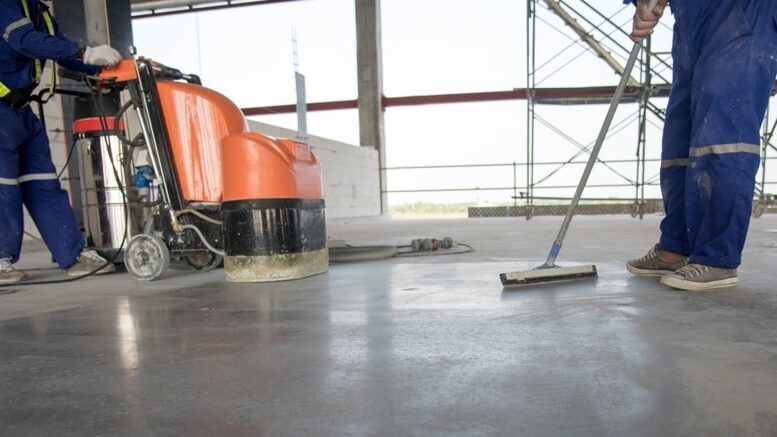
The final cleanup can affect how customers experience your newly renovated store, so small mistakes can create unnecessary delays and additional work.
The time required depends on your store’s size, layout, dust level, finishes, ceiling height, and scope. A small retail unit may require a single detailed cleaning, while a larger store may need multiple phases. Your opening date, access hours, and whether debris removal is included can also affect the schedule.
You should complete the main post-renovation clean before merchandising whenever possible. However, shelving and display areas may need a final dusting after merchandise is installed. Scheduling a short touch-up before opening can remove fingerprints, packaging debris, and dust created during setup.
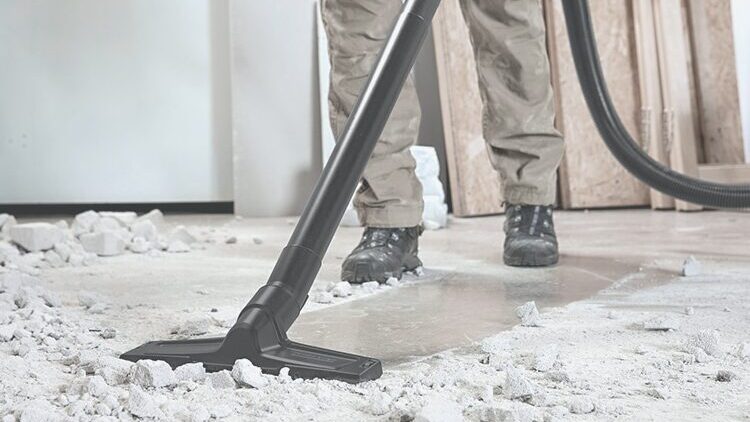
HEPA vacuuming can be useful when fine construction dust, including drywall dust, is present. Unlike basic sweeping, appropriate vacuuming helps capture fine particles instead of sending them back into the air. Your cleaning method should be matched to the materials and type of renovation completed.
Overnight cleaning can be an effective option for retail stores with daytime construction, merchandising, or customer activity. Whether it is practical depends on your building’s access rules, security procedures, elevator availability, and noise restrictions. Confirm these requirements before scheduling an overnight crew.
You should clean high surfaces, fixtures, shelving, display cases, glass, walls, doors, fitting rooms, checkout areas, restrooms, stockrooms, corners, vents, and floors. The exact scope should reflect the renovation. New flooring, custom millwork, extensive glazing, and high ceilings may require additional cleaning or specialized methods.
Schedule the main cleaning after dusty construction work is complete and before final merchandising whenever possible. You should then allow time for a walkthrough and touch-up. For a fixed grand opening, build the cleaning schedule around your contractor handoff, merchandise installation, inspections, and final setup rather than waiting until the last day.
If contractors will continue working after the main cleaning, you should expect some additional dust or debris. Schedule the detailed clean after the dust-producing work is complete, then use a final touch-up to address marks and debris created during merchandising, deliveries, or last-minute construction.
If your renovation is finished, your next step is to arrange a final cleaning based on the size, condition, finishes, and schedule of your space.
At XYZ Cleaning, we help prepare renovated retail and commercial spaces with cleaning solutions tailored to each project. We can account for different surfaces, high-level areas, display fixtures, flooring, glass, construction dust, and the timing needed to get your space ready.
When minimizing downtime matters, we can help you plan cleaning around your schedule and opening date. Our goal is to provide a detailed, practical solution that leaves your newly renovated space ready for customers.
For reliable retail post renovation cleaning across NYC, contact us to discuss your project and get your space ready for opening day.