Phone:
(516)349-8800
Physical address:
958 W Jericho Turnpike, Smithtown, NY 11787
50 Years in Business | Est. 1975
50 Years in Business | Est. 1975
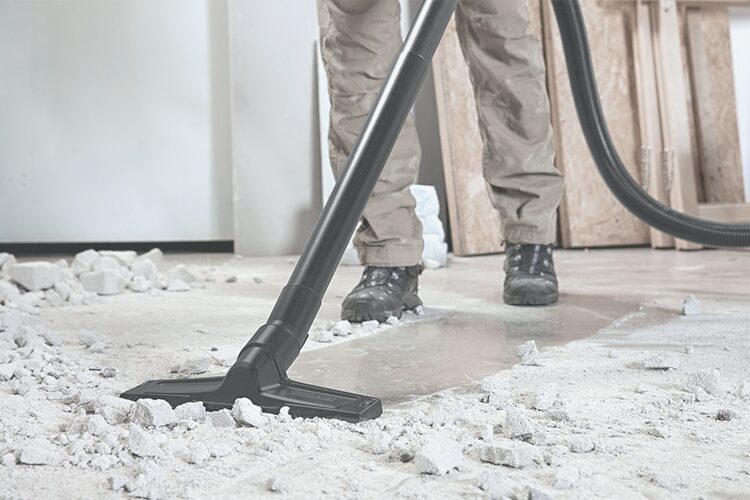
Green post construction cleaning is about more than swapping harsh products for “eco-friendly” labels. After a build or renovation, fine dust can settle across floors, fixtures, windows, vents, and newly installed surfaces, while leftover materials and packaging create another layer of cleanup.
For an NYC apartment, office, commercial property, or newly renovated space, a greener approach combines thorough dust removal with lower-impact cleaning products, reusable materials where practical, and responsible waste handling.
This guide covers what green post-construction cleaning involves, what to look for when choosing an eco-friendly service, typical costs, and when bringing in a professional team is the right call.
After construction, fine particles can settle throughout your property even when the larger debris has been removed. Drywall dust, sanding residue, sawdust, insulation particles, and other construction materials can collect on floors, cabinets, windowsills, vents, fixtures, and other hard-to-reach areas.
Green post construction cleaning addresses this buildup while limiting unnecessary exposure to harsh chemicals and reducing avoidable waste. This is especially useful when you are preparing a space for occupants shortly after construction.
VOCs, or volatile organic compounds, are chemicals that can evaporate into indoor air. Some paints, adhesives, finishes, and cleaning products can release VOCs, so choosing lower-VOC cleaning products can be one consideration when you are trying to maintain better indoor environmental quality.
Green cleaning can also be relevant to projects pursuing sustainability standards such as LEED. However, using environmentally preferable cleaning products does not automatically make a building LEED certified. Your project’s specific rating system and requirements determine what qualifies.
Eco-friendly construction cleanup focuses on how dust is collected, which products are used, what materials are discarded, and how much unnecessary waste is generated. It is a process rather than simply a label placed on a cleaning product.
For your project, a greener approach can include HEPA-filtered vacuuming, reusable microfiber materials, damp cleaning, lower-VOC products, and separation of recyclable debris.
The most useful practices include:
When evaluating cleaning products, look for established programs such as EPA Safer Choice or Green Seal where suitable products are available. You should also check whether the product is compatible with the surfaces being cleaned.
HEPA filtration is important because construction dust can contain extremely fine particles that are easily disturbed and redistributed. A properly designed HEPA vacuum is intended to capture these particles instead of simply moving them from one location to another.
Your cleaning process should also limit activities that unnecessarily disturb settled dust. Dry sweeping, for example, can send particles back into the air. Controlled vacuuming followed by damp microfiber cleaning provides a more effective way to collect remaining dust.
Dust control should start during construction rather than only at the final cleaning stage. EPA provides guidance on construction dust-control practices, including methods for limiting dust generation and movement, which can help you plan a cleaner and more controlled project.
For larger properties, HEPA air scrubbers may also be appropriate when significant dust remains airborne. The equipment required depends on the size of the property, the amount of dust present, and whether other construction work is still taking place.
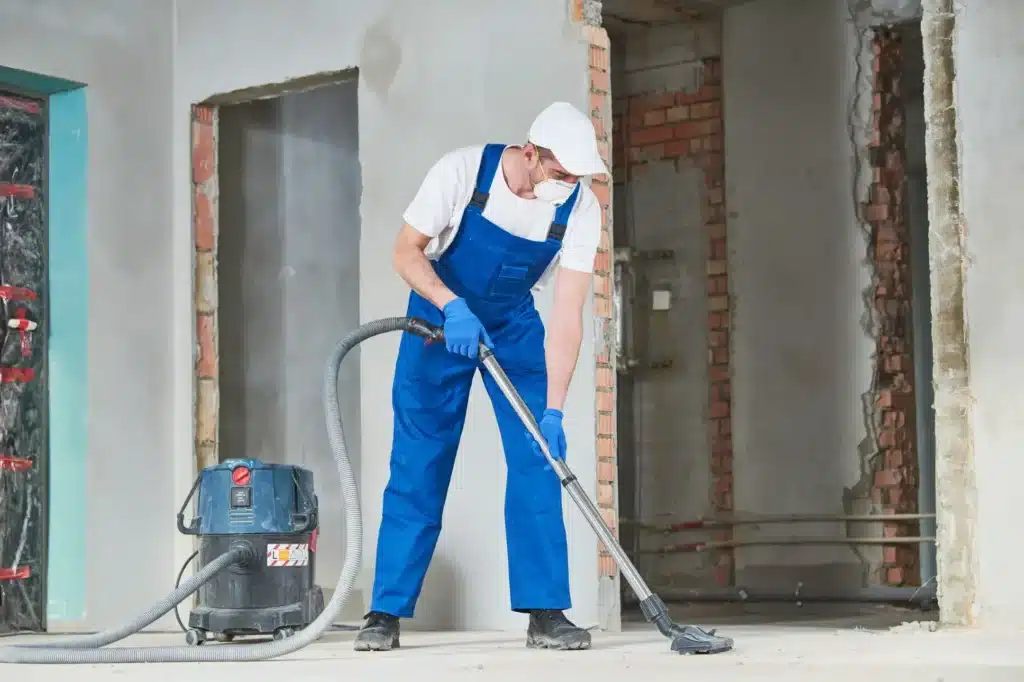
Post-construction cleaning can involve fine dust, construction debris, cleaning chemicals, unfinished surfaces, and other workplace hazards. Proper safety procedures are therefore an important part of the cleanup process.
OSHA provides workplace safety guidance covering hazards and protective measures relevant to construction and cleaning activities. When you are comparing cleaning providers, ask how the crew assesses job-site hazards and protects workers during the cleanup.
Appropriate OSHA-approved personal protective equipment should be selected according to the hazards present on the job. Depending on the conditions, this can include respiratory protection, safety glasses, gloves, protective footwear, hard hats, or other protective equipment.
PPE should be used as part of a broader safety approach rather than as the only method of controlling exposure. Dust control, ventilation, safe work practices, appropriate equipment, and proper handling procedures all contribute to a safer post-construction cleaning process.
If your renovation involves potentially hazardous materials such as lead or asbestos, ordinary post-construction cleaning may not be sufficient. Those situations can require specialized assessment, containment, or remediation by appropriately qualified professionals.
Choosing a green product requires more than looking for words such as “natural” or “eco-friendly” on the label. You should consider the ingredients, available certifications, intended use, and whether the product is suitable for the surface being cleaned.
For non toxic post renovation cleaning, you can look for products that are:
Surface compatibility is particularly important after a renovation. Newly installed hardwood, natural stone, tile, glass, cabinetry, stainless steel, and specialty finishes may each require different cleaning products or techniques.
You may also see recommendations for homemade cleaners using ingredients such as vinegar or baking soda. These can work for some household cleaning tasks, but they should not automatically be treated as suitable for every new finish. A greener product still needs to be the right product for the material.
A thorough cleanup should progress from debris removal to fine dust removal and then detailed surface cleaning. Working systematically helps prevent you from recontaminating surfaces that have already been cleaned.
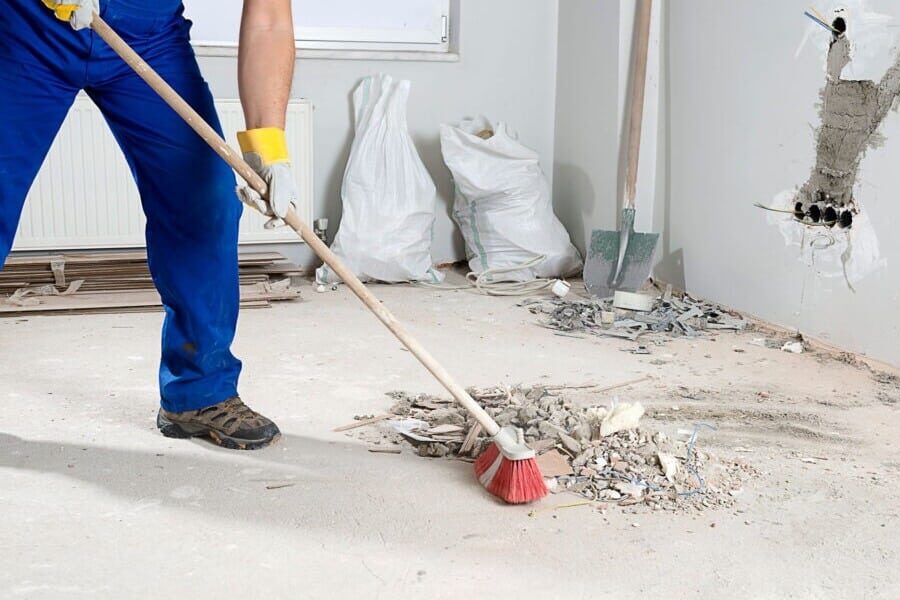
The first stage focuses on larger construction debris. This can include cardboard, packaging, wood scraps, drywall pieces, and other non-hazardous materials left behind after construction.
Where practical, recyclable materials should be separated rather than placing everything into a single waste stream.
Once larger debris has been removed, fine dust can be addressed with appropriate vacuum equipment. High surfaces should generally be cleaned before lower surfaces so dust does not fall onto areas that have already been completed.
Vents, ledges, cabinets, baseboards, window frames, fixtures, and other areas that collect dust should be included rather than focusing only on open floor space.
After vacuuming, microfiber cloths and suitable cleaning products can be used to remove remaining dust, fingerprints, residue, and construction marks.
The exact cleaning method should depend on the surface. Aggressive chemicals or abrasive tools may damage new finishes, so the cleaning process should account for the manufacturer’s care recommendations whenever they are available.
The final inspection provides an opportunity to identify areas that were missed during the initial cleaning. Glass, corners, edges, vents, light fixtures, switches, doors, and baseboards deserve particular attention.
If contractors return for punch-list work after the cleaning, additional dust and debris may be created. In that situation, a final touch-up may be necessary after construction is fully complete.
Construction cleanup can produce more waste than ordinary residential or commercial cleaning, which makes disposal an important part of an eco-friendly approach. Removing debris responsibly can reduce the amount of reusable or recyclable material unnecessarily sent to landfills.
Depending on local requirements and the material involved, construction waste such as cardboard, metal, wood, and certain other materials may be suitable for recycling or recovery. Reusable cleaning materials can also reduce the number of disposable wipes and paper products used during the job.
Before you hire a cleaning provider, ask who is responsible for construction debris. Some materials may need to be handled by the contractor or another specialized waste service rather than the cleaning crew.
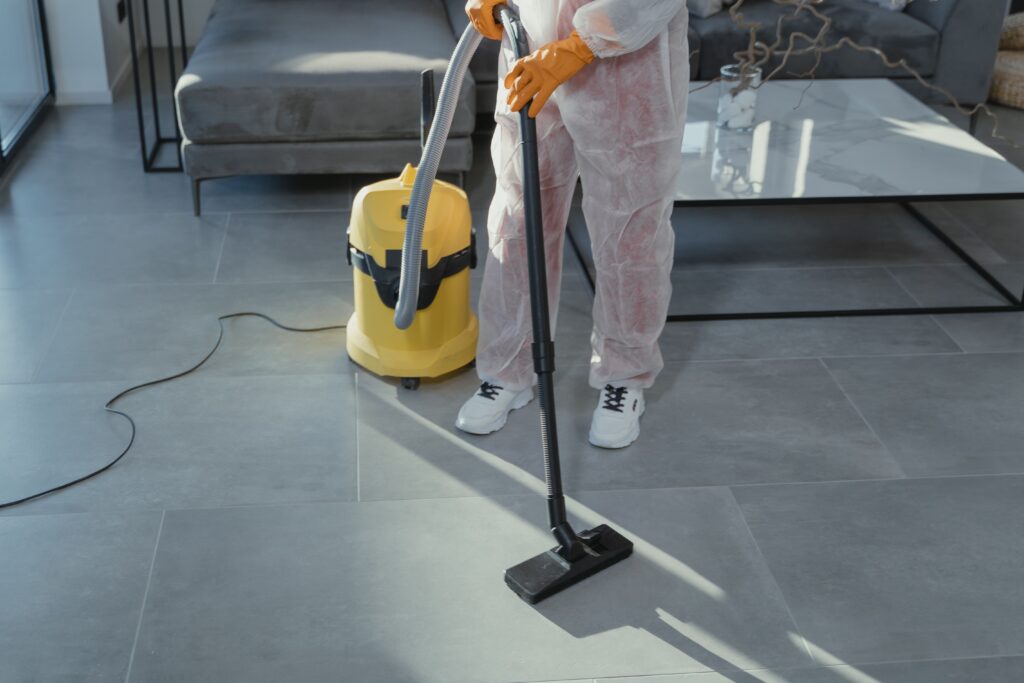
Post-construction cleaning is often priced according to square footage, but there is no single rate that accurately represents every NYC project. The final price depends on the size and condition of the property, the cleaning stage required, the amount of debris, and the level of detail involved.
Published market estimates can vary considerably, so you should use general price ranges only as an initial benchmark rather than expecting a fixed NYC rate.
Your quote may be affected by:
A smaller renovation may only need a final detailed clean. A larger new build or commercial renovation may require rough cleaning, final cleaning, and additional touch-ups, which changes the overall cost.
Professional post-construction cleaning is not necessary for every small project. If you have completed a limited renovation, there is little debris, and you can safely access all areas, you may be able to handle the cleanup yourself with suitable equipment and products.
A DIY approach can make sense when you have a quality HEPA vacuum, microfiber materials, enough time, and a relatively straightforward space. The calculation changes when fine dust has spread throughout a large property or when you need the space prepared quickly.
You should also distinguish ordinary construction dust from hazardous materials. Lead, asbestos, mold, or other potentially hazardous substances may require specialized assessment or remediation. Standard cleaning should not be used as a substitute for specialized hazardous-material services.
When comparing providers, ask for specifics rather than accepting a general promise of “green cleaning.” You should be able to understand what equipment will be used, which products are included, how dust will be controlled, and what happens to construction debris.
The cleaning scope should also be clear before work begins. A quote for a final clean may not include the same services as a rough clean or a complete multi-stage cleanup.
Ask these questions before making your decision:
A green approach can still produce poor results if the cleaning process is rushed or poorly planned. Avoiding these mistakes can help you protect new finishes, control dust, and get more value from the service.
HEPA vacuuming is particularly useful for removing fine construction dust that can otherwise be redistributed around the property. Drywall and sanding dust can settle on surfaces and become airborne again when disturbed. The appropriate equipment depends on the type and amount of dust present and the size of your project.
The best product depends on the surface and the type of residue being removed. For a greener approach, you can look for suitable lower-VOC products and recognized certifications such as EPA Safer Choice or Green Seal. Surface compatibility should always take priority over choosing a product simply because it is marketed as natural.
It can support certain sustainability objectives depending on the LEED rating system and project requirements. However, green cleaning alone does not make a property LEED certified. If your project is pursuing LEED, determine which cleaning products, procedures, documentation, and other requirements apply before the final cleanup begins.
The cost varies according to the property’s size, condition, amount of construction debris, surfaces, cleaning stage, equipment, access, and number of visits. Market pricing is commonly calculated by square footage, but a project-specific quote is more useful because two properties of the same size can require very different amounts of labor.
Your final detailed cleaning should generally be scheduled after major construction work is finished. Cutting, sanding, installation, and punch-list repairs can create additional dust, so cleaning too early can result in another cleanup. Larger projects may benefit from an earlier rough clean followed by a final detailed cleaning.
Not necessarily. A small renovation with limited debris may be manageable as a DIY project if you have appropriate equipment, sufficient time, and safe access. Professional cleaning becomes more useful when dust has spread throughout the property, the space is large, surfaces require careful handling, or you need the property prepared on a specific schedule.
The right cleaning plan can help remove fine construction dust, protect newly installed surfaces, limit unnecessary chemical use, and ensure leftover materials are handled responsibly.
At XYZ Cleaning, we provide post-construction cleaning tailored to the condition, size, and requirements of each property. Our approach combines appropriate cleaning products, professional equipment, reusable materials where practical, and careful attention to newly finished surfaces.
Whether you’re preparing an NYC apartment, office, or commercial property for occupancy, handover, or its next stage of use, the right cleaning scope depends on what the project has left behind. For green post construction cleaning that takes those details into account, contact us today.