Phone:
(516)349-8800
Physical address:
958 W Jericho Turnpike, Smithtown, NY 11787
50 Years in Business | Est. 1975
50 Years in Business | Est. 1975
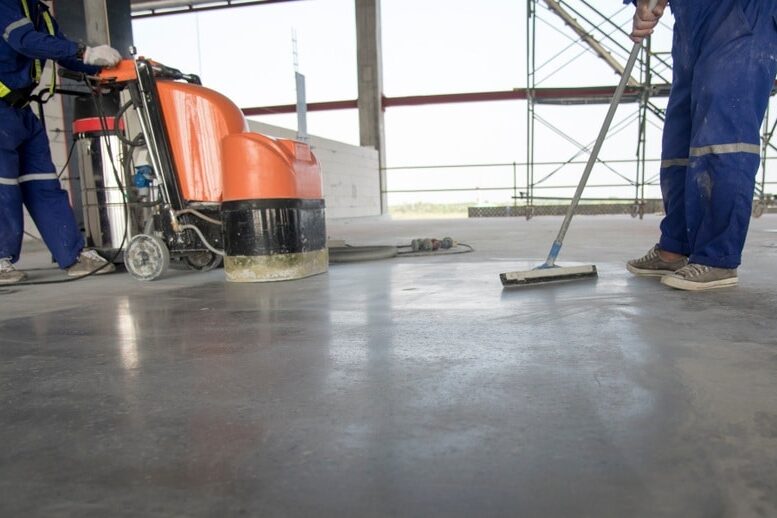
You’re at the end of a project in Nassau or Suffolk County. The trades are wrapping up, the punch list is getting shorter, and the final inspection is on the calendar. Then you walk through the building and spot drywall dust on the window tracks, adhesive on a new floor, protective film still stuck to safety glazing, and silicone smears around the fixtures.
That is where the certificate of occupancy cleaning Long Island becomes part of the closeout process. The goal is not to make a construction site look tidy. Your final clean should leave the property accessible, free of construction debris and residue, and ready for the final stages of inspection and turnover.
The right cleaning sequence also protects your schedule. This guide breaks down rough cleaning, prep cleaning, final cleaning, punch-list turnover, local considerations, safety issues, pricing, and what to ask before putting a cleaning crew on your project.
Certificate of occupancy cleaning Long Island is the detailed cleaning performed during project closeout so your building is clean, accessible, and ready for inspection and handover. It is usually part of a broader post-construction cleaning plan rather than a standalone housekeeping service.
A final clean can include fine dust removal, floor cleaning, interior glass, window tracks, cabinets, fixtures, bathrooms, kitchens, stairways, trim, doors, vents, and construction residue. The exact scope should follow your project specifications and the condition of the site.
One important distinction: cleaning does not replace code inspections or other CO requirements. Municipal requirements can include permits, final surveys, electrical certificates, documentation, zoning approvals, and other inspections depending on the project. For example, the Town of Islip states that its Building Division manages inspection scheduling, required documentation, and final closeout through issuance of a Certificate of Occupancy or Compliance.
For your project, cleaning should make it easier for inspectors and other professionals to access and examine completed work. It should never be presented as a guarantee that a municipality will issue a CO.
Rough clean vs final clean Nassau County is mainly a question of timing and purpose. A rough clean removes the heavy construction mess while work is still progressing, while a final clean deals with the fine residue and detailed surfaces left after the trades have finished.
Your rough clean happens during or immediately after major construction activity. Its job is to keep the site workable and reduce the amount of debris and dust carried into finished areas.
Depending on your scope, this may involve:
This stage is not the inspection clean. If painters, flooring installers, electricians, or other trades are still creating dust and debris, a detailed final clean is premature.
The prep clean bridges construction and final turnover. Once the major trades are substantially finished, you can address heavier residue and prepare finished surfaces for the final detail pass.
This is where timing matters. Cleaning too early can mean paying to remove the same dust twice. Cleaning too late can leave you with no room for corrections before inspection.
The final clean is the detail stage. It should focus on the areas that become obvious when the building is empty and every finish is visible.
That includes window tracks, baseboards, doors, trim, cabinets, fixtures, glass, flooring, bathrooms, kitchens and other completed surfaces. Adhesive residue, paint splatter, grout haze, silicone drips and protective film also need to be addressed where appropriate for the material.
A final touch-up shortly before inspection can then deal with dust that has settled after the main clean.
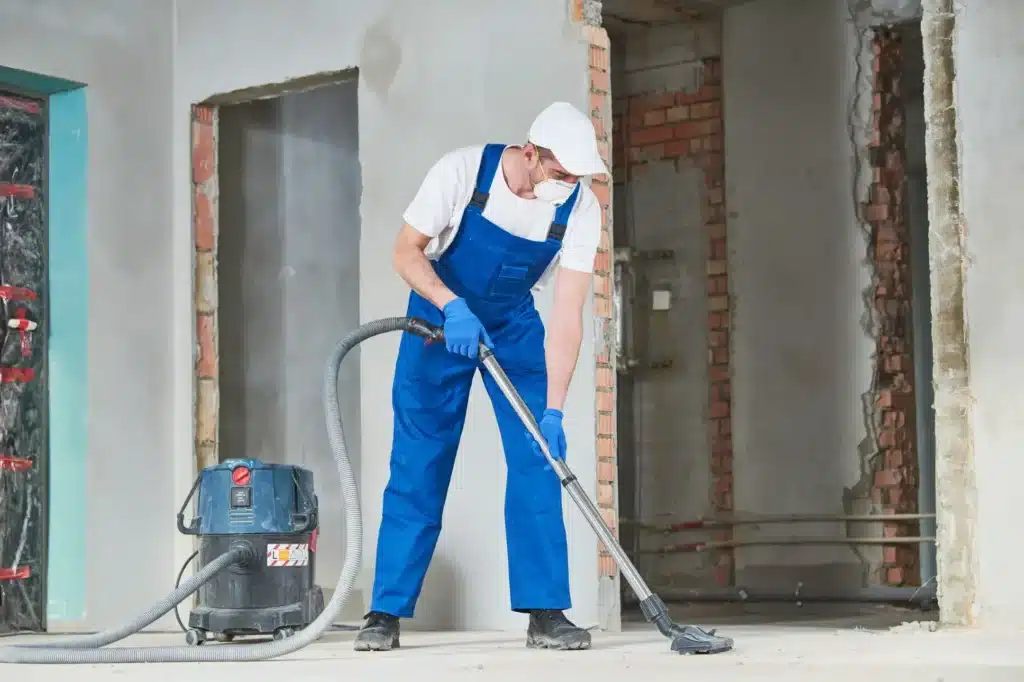
Your GC post construction cleaning punch list should be detailed enough to confirm each area is inspection-ready, with no guesswork about what still needs attention.
Start room by room, then work through shared areas, mechanical spaces, entrances and exterior areas included in the scope. For a commercial project, also make sure the cleaning crew understands which areas are occupied, restricted, unfinished or excluded.
Your checklist should typically cover:
Do not automatically treat every construction material as safe to scrape or chemically clean. New stone, wood, glass, metal and specialty finishes can be damaged by the wrong product or tool.
Final cleaning also has a safety component. Construction areas can contain sharp debris, protruding fasteners, discarded blades, dust-producing materials and chemical residues. OSHA’s construction housekeeping standard requires debris to be kept clear from work areas, passageways and stairs during construction.
Fine dust deserves particular attention. Where silica exposure may be involved, OSHA restricts certain dry sweeping, dry brushing and compressed-air cleaning practices and identifies wet methods and HEPA-filtered vacuuming as important alternatives where applicable.
For broader construction-site dust management, the EPA Dust Control Best Management Practices document provides practical information on controlling airborne dust from construction activity.
Your cleaning crew should also follow the project’s established safety procedures and use appropriate OSHA requirements and resources. Where protective equipment is required for a task, appropriate PPE guidance should be followed.
Razor blades and sharp fragments should never be left behind in finished areas. Adhesive residue should be removed using methods compatible with the surface. Silicone drips need careful removal rather than aggressive scraping that could damage a new finish.
Protective film on safety glazing and finished surfaces should also be checked. Leaving film behind can create an unfinished appearance, while removing it with unsuitable tools can scratch glass or damage adjacent materials.
Long Island building inspection cleaning needs to account for the municipality handling your project. Nassau and Suffolk are not one single building department, and your final closeout requirements can vary by town, village, property type and scope of work.
If your project is in Hempstead, build your cleaning schedule around the specific inspection and closeout requirements attached to your permit. Your cleaning crew should not be responsible for determining whether every permit or inspection requirement has been satisfied.
For projects in Oyster Bay, coordinate cleaning with your final construction sequence rather than simply booking a generic deep clean. Commercial properties, renovations and new construction can have different closeout considerations.
Huntington’s published building requirements show why cleaning is only one part of turnover. Its requirements can include final surveys and compliance with required inspections before a Certificate of Occupancy is issued.
Islip is another useful example of why your closeout checklist should be project-specific. The town identifies inspections, documentation and other requirements that may need to be completed before a CO or Certificate of Compliance is issued.
The practical takeaway is straightforward: confirm the requirements for the exact municipality before scheduling your final clean. Cleaning can support a smoother inspection, but it cannot substitute for required approvals, certificates or inspections.
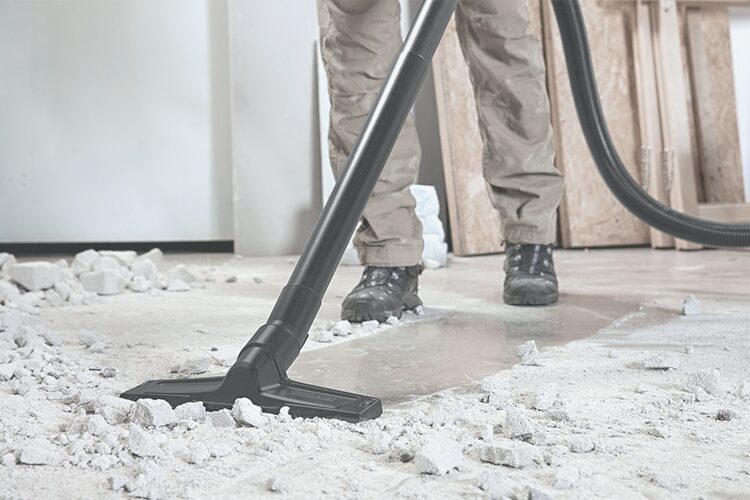
Your final clean should happen after the work that creates dust, debris or residue is finished. For many projects, that means scheduling the detailed clean several days before the planned inspection or handover, followed by a smaller touch-up.
A practical sequence is:
If you have an overnight or next-day handover, tell the cleaning provider before the quote is prepared. Fast-turnaround work can require additional labor planning, access coordination and after-hours scheduling.
The honest concession is that you may not need a full multi-phase cleaning package for every project. A small renovation with limited dust and a clearly defined scope may only need targeted final cleaning. The larger the project and the more trades working inside the space, the more valuable a structured turnover plan becomes.
Post-construction cleaning pricing depends on the property’s size, condition, surface types, number of cleaning phases, access, debris level and deadline. The overall cost can vary substantially depending on the project’s scope and the level of cleaning required.
For a GC, comparing the number on the quote is less useful than comparing the scope behind it. One provider may include only a final clean, while another includes rough cleaning, detailed cleaning and a scheduled touch-up.
Ask whether the quote includes:
Commercial projects should generally be quoted from the actual site condition and scope rather than relying on a generic residential price.
The right provider should understand that you’re buying project turnover support, not routine housekeeping. When looking for a post construction cleaning hire, ask how the company handles construction dust, finished surfaces, punch-list cleaning, access restrictions and compressed project schedules.
You should also confirm who is responsible for debris removal, what equipment is used, whether the crew can work around other contractors and how changes to scope are handled.
A written scope is especially important. It gives you something concrete to compare when two quotes appear similar but include very different levels of detail.
A clean-looking building can still have unfinished details that become obvious during a final walkthrough. Avoid these common closeout problems:
There is not one universal rule requiring you to hire a professional cleaning company for a CO. However, your property still needs to meet the applicable building, safety and occupancy requirements. A professional final clean can help remove debris and residue that interfere with access, visibility and a proper project handover.
A rough clean removes larger debris and heavy construction mess while work is still progressing. A final clean happens after the major trades are finished and focuses on fine dust, glass, floors, fixtures, cabinets, residue and finished surfaces. You may also schedule a touch-up after the final clean.
The ideal timing depends on the project, but you should leave enough time between the detailed clean and inspection to identify missed items and complete a touch-up. For many projects, cleaning several days before inspection provides useful breathing room. Overnight work may be appropriate when the handover deadline is especially tight.
It can, but you should confirm that the crew has the equipment, materials and experience required for construction conditions. Fine dust, adhesive, paint residue, grout haze and protective film require a different approach from routine housekeeping. A written construction-cleaning scope is a better comparison point than the company’s general cleaning menu.
Your punch list should cover floors, baseboards, doors, trim, windows, tracks, glass, cabinets, fixtures, restrooms, stairs, vents and other finished surfaces. It should also identify construction residue, protective film, adhesive, paint splatter and debris. Keep cleaning items separate from trade corrections so responsibility remains clear.
No. Requirements can vary by municipality, property type and project scope. Huntington and Islip, for example, publish specific documentation and inspection requirements connected to CO or compliance closeout. You should confirm the requirements for the exact town or village handling your project before scheduling the final inspection.
Not necessarily. If the renovation is limited, generates little dust and your own crew can complete the required detailed cleaning safely, a full-service package may not be necessary. For larger renovations, commercial spaces or tight turnover schedules, specialized post-construction cleaning can reduce the amount of closeout work left for your project team.
Your next step is to schedule the final clean around the actual construction schedule, punch list and inspection deadline.
At XYZ Cleaning, we provide post-construction cleaning designed around your project’s condition, scope and turnover requirements. We can help with the detailed cleaning that remains after construction, from fine dust and residue to finished surfaces that need careful attention before handover.
When you need a certificate of occupancy cleaning Long Island, the goal is a clean, accessible property that is ready for the next stage of your closeout process. Our approach can be customized to your project, including the materials, surfaces, cleaning technology and turnaround requirements involved.
Keep your build on schedule and pass final inspection without delays. Partner with XYZ Cleaning for guaranteed GC punch list turnovers.