Phone:
(516)349-8800
Physical address:
958 W Jericho Turnpike, Smithtown, NY 11787
50 Years in Business | Est. 1975
50 Years in Business | Est. 1975
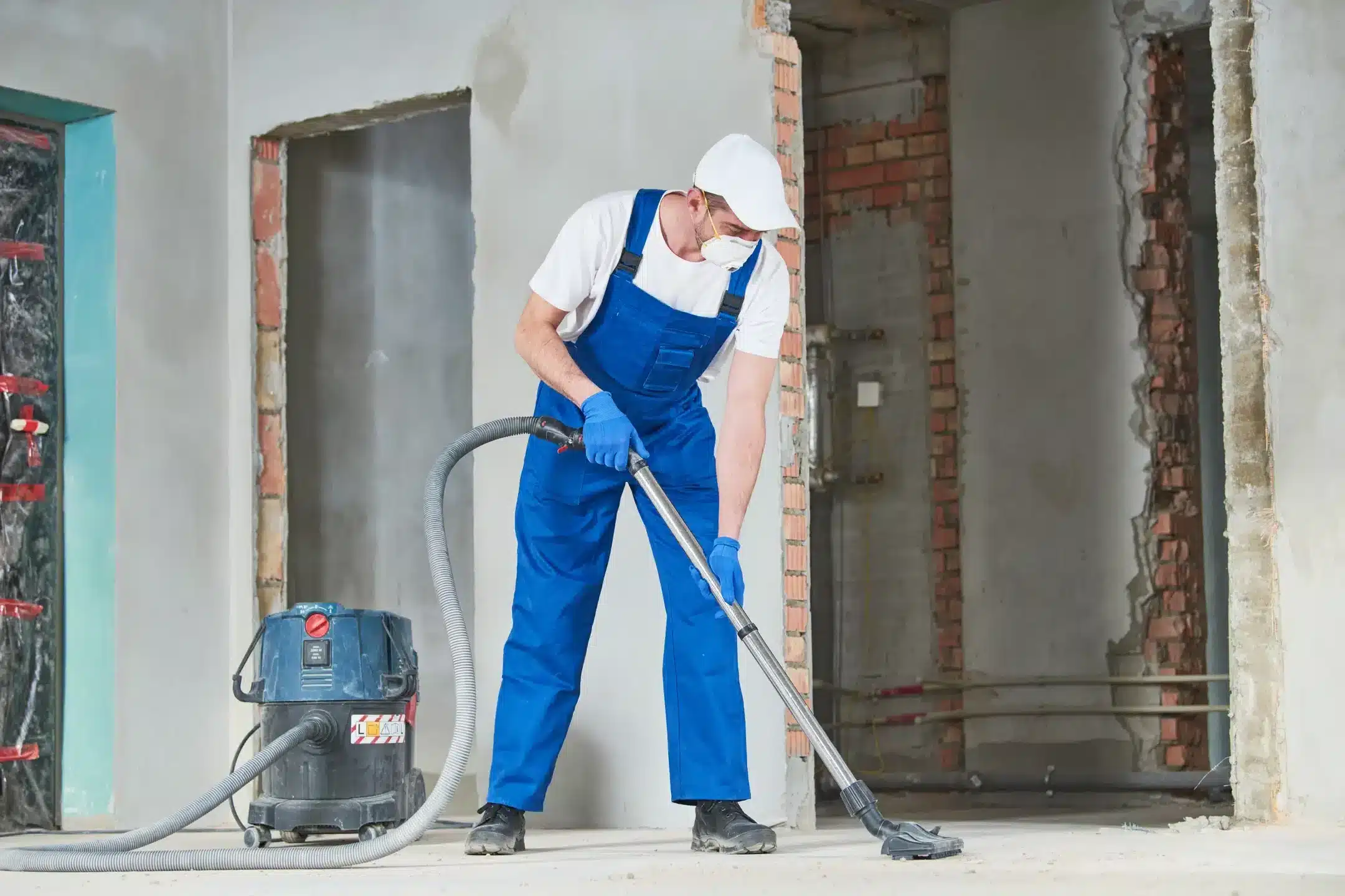
You’ve finally finished the renovation. The drywall is up, the floors are spotless, the contractors are gone, and your home is ready to feel new again. Then you turn on the heat or AC and notice a fine layer of dust settling over the furniture you just cleaned.
That dust may be coming from inside your HVAC system. During a renovation, drywall particles, dust, insulation fibers, sanding residue, and other construction debris can get pulled through return vents and settle inside ductwork, the return plenum, blower, and other components. A new filter can catch new particles, but it cannot remove what is already sitting inside the system.
That’s why post construction HVAC cleaning Long Island homeowners consider after a major renovation can be an important part of the final cleanup. The right approach depends on how much dust was generated, whether the HVAC system operated during construction, and whether contamination reached the ductwork or equipment.
Post construction HVAC cleaning Long Island service homeowners may want to consider is most relevant after renovations that generate substantial dust, especially when the HVAC system operated while demolition, drywall work, sanding, flooring, or painting was underway. If the system stayed off and supply and return openings were properly sealed throughout the project, you may need only an inspection and filter replacement.
EPA renovation guidance recommends containing dust, sealing registers in the work area, and avoiding HVAC operation while visible dust is being generated.
For a Long Island home in Nassau or Suffolk County, consider the scope of the renovation rather than assuming every project requires the same level of cleaning. A bathroom repaint is different from a full gut renovation, finished basement, addition, or whole-house remodel.
Your first decision should be whether contamination is likely. Ask yourself:
If several answers are yes, an HVAC inspection is worth considering before you settle into the renovated space.
Construction dust can enter through return-air openings and move toward the furnace, air handler, blower, and ductwork. Once the filter becomes loaded or air bypasses the filter through gaps, additional particles can move deeper into the system and become hidden dangers that are easy to miss during a post-construction cleanup.
This is the recirculation problem. Your return grille pulls room air toward the HVAC equipment. If renovation dust is present in that air, some of it can accumulate inside the return plenum and other components before the supply side sends conditioned air back through your home.
Fine drywall dust deserves particular attention because it is extremely fine. Sawdust, insulation fibers, tile dust, paint residue, and debris from flooring or masonry work can also become airborne during renovation.
That is why visible vents can look reasonably clean while contamination remains deeper inside the system.
For future projects, dust containment should start before demolition. The EPA recommends barriers, sealed supply and return registers in renovation areas, and ventilation strategies that prevent pollutants from spreading through occupied areas.
A proper cleanup should address the areas where construction dust actually accumulated, not simply vacuum the visible vent covers. The exact scope depends on the HVAC system and the contamination found during inspection.
A professional HVAC cleaning may include:
There is an important distinction here: post-construction cleaning and internal HVAC duct cleaning are not automatically the same service.
A cleaning company may clean vent covers and accessible surfaces as part of a construction cleanup, while internal ductwork and HVAC components may require a specialized HVAC cleaning contractor.
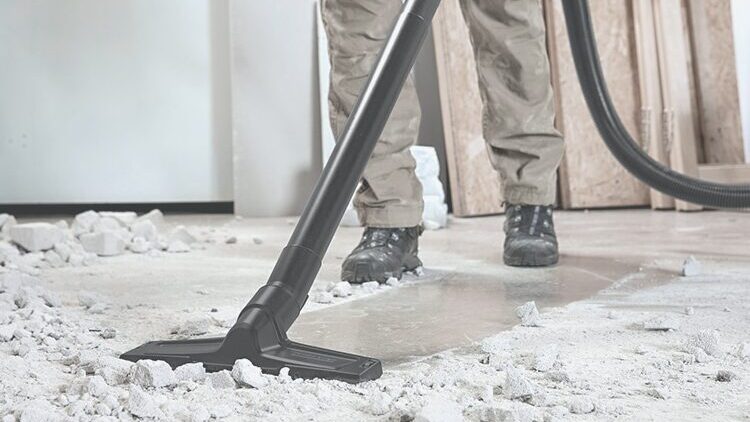
After construction, start with a new filter that matches the manufacturer’s specifications for your HVAC system. The right MERV rating depends on the equipment, filter cabinet, airflow requirements, and manufacturer guidance.
A higher MERV rating is not automatically better for every system. A filter that creates excessive resistance can affect airflow, so you should not install a high-efficiency filter simply because the number is higher.
Check the filter more frequently after a dusty renovation. If it becomes loaded quickly, replace it rather than waiting for your normal maintenance interval. EPA guidance recommends using the highest-efficiency filter recommended by the HVAC manufacturer and changing clogged filters more frequently.
For post construction air filter replacement, the timing matters too. Install the new filter after the major dust-generating work and final HVAC cleaning are complete, unless your HVAC professional recommends an earlier change because the system was heavily exposed during construction.
Ductless mini-splits require a different approach because they do not distribute air through a conventional network of supply and return ducts. Instead, the indoor unit contains its own filter and coil assembly, so post-renovation cleaning focuses on the indoor units, filters, coils, blower components, and surrounding areas as appropriate.
Multi-zone systems and VRF systems also require system-specific planning. Each indoor unit can have its own filtration and airflow path, while the outdoor equipment and controls serve multiple zones.
If you renovated several rooms with separate indoor units, cleaning one unit does not automatically address another. Make sure your scope identifies each affected unit rather than treating the property as one conventional duct system.
Your home may be freshly cleaned but still show signs that dust is being redistributed through the HVAC system. These signs suggest you should stop relying on surface cleaning alone and investigate the air-handling system.
Watch for:
These signs do not automatically prove that the ductwork needs cleaning. They indicate that an HVAC inspection can help identify whether the source is the duct system, filter, equipment, or another part of the home.
This distinction matters because unnecessary duct cleaning can add cost without addressing the actual problem.
The order of work matters. Your HVAC system should not be cleaned and then exposed to another week of drywall sanding, painting, flooring installation, or demolition.
Ideally, major construction and dust-generating work should be complete first. Then the HVAC system can be assessed and cleaned as needed, followed by the final property cleaning and move-in preparation.
For the overall property cleanup, professional post-construction cleaning can address fine dust on floors, walls, cabinets, windows, fixtures, trim, and other surfaces. HVAC work should be coordinated separately when internal duct or equipment cleaning is required.
For larger renovation projects, ask your contractor and cleaning provider to coordinate the sequence before the final cleaning date.
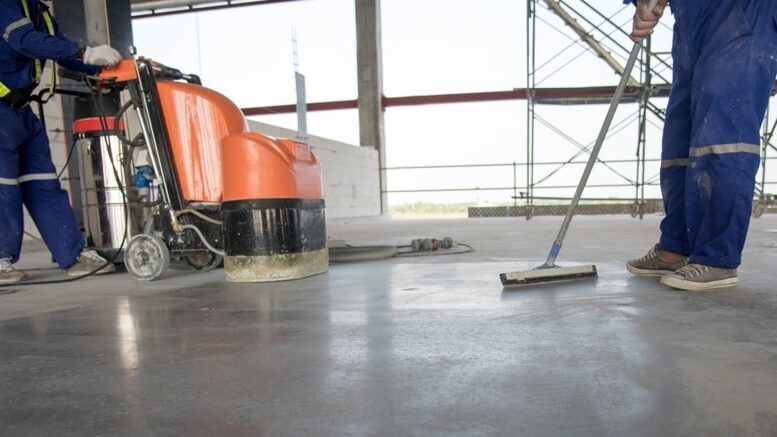
A good estimate should tell you exactly what is being cleaned and what is excluded. You should be able to understand whether you’re paying for visible vent cleaning, complete ductwork cleaning, HVAC equipment cleaning, or a combination.
Ask:
If the work involves construction dust with potentially hazardous materials, safety procedures matter as well. OSHA provides requirements and guidance concerning workplace exposure controls and personal protective equipment. Appropriate PPE should be selected based on the hazards and applicable controls.
The biggest problems usually come from treating HVAC contamination as part of ordinary surface cleaning. A clear scope and proper sequencing can prevent unnecessary cleaning, repeated dust, and avoidable costs.
Not every renovation requires full duct cleaning. If the HVAC stayed off, registers were sealed, and inspection shows little or no contamination, replacing the filter and completing normal maintenance may be enough. Major demolition, drywall sanding, or visible dust entering returns makes a professional HVAC inspection more worthwhile.
Replace the filter after major dust-generating work is complete, particularly if the system operated during construction. Check it again sooner than your normal schedule because residual construction dust can load a filter quickly. Always use the size and efficiency rating recommended for your specific HVAC equipment.
Drywall dust can accumulate on filters and accessible HVAC components when a system is exposed during renovation. Heavy accumulation can restrict airflow or contribute to buildup on equipment. If your system ran through demolition or sanding, have the affected components inspected rather than assuming a new filter removed the contamination.
Not necessarily. Post-construction cleaning typically focuses on removing construction dust, residue, and debris from the property, while internal HVAC duct cleaning may require specialized equipment and a separate scope. Confirm whether the provider cleans only registers and accessible openings or performs a complete HVAC duct and equipment cleaning.
Use the highest-efficiency filter your HVAC manufacturer recommends for your system rather than selecting a rating solely because it is higher. A filter that is too restrictive can affect airflow. After a dusty remodel, check the filter more frequently and replace it when it becomes loaded with debris.
You may not need full duct cleaning if the system remained off and all supply and return openings were sealed throughout the renovation. An inspection can help confirm the condition. If you find visible construction dust or debris inside the returns or ductwork, cleaning may still be appropriate.
Your next step is to assess the HVAC system and property together so construction dust does not undermine the final cleanup.
At XYZ Cleaning, we provide professional post-construction cleaning for Long Island properties, helping remove fine dust, debris, and residue left throughout a renovated space. We tailor the cleaning scope to the project, work carefully around new finishes, and can coordinate the property cleanup with specialized HVAC work when internal duct cleaning is required.
If you are considering post construction HVAC cleaning Long Island service after a renovation, start by assessing how much construction dust entered the HVAC system and which components were exposed.
Don’t let your HVAC system undo your renovation cleanup. Contact XYZ Cleaning to discuss the right cleaning scope for your property.