Phone:
(516)349-8800
Physical address:
958 W Jericho Turnpike, Smithtown, NY 11787
50 Years in Business | Est. 1975
50 Years in Business | Est. 1975
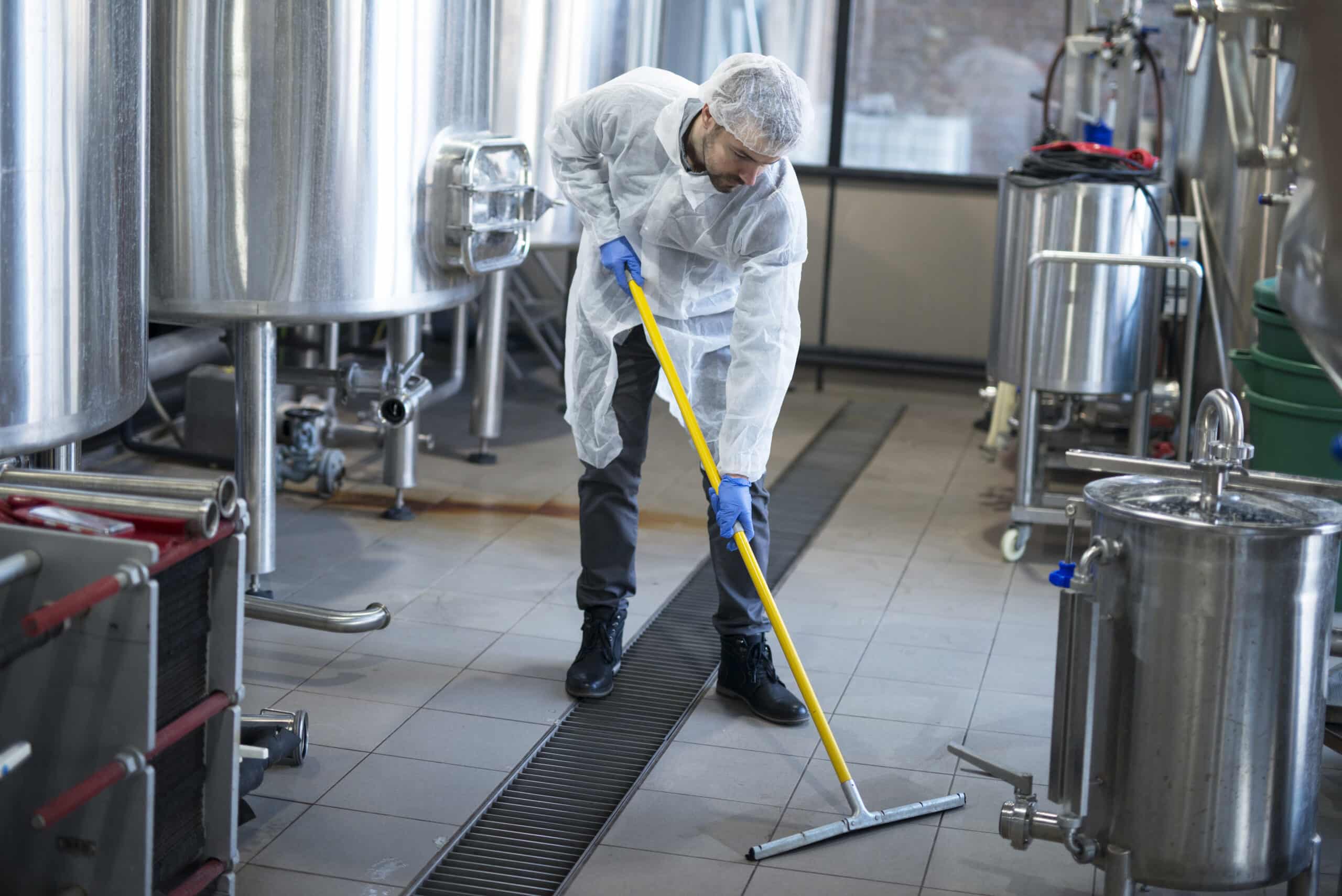
Post-construction cleaning removes construction dust, debris, and leftover materials after a renovation or building project. Regular cleaning maintains an already-used space by removing everyday dirt, dust, and grime.
The difference between regular cleaning and post construction cleaning comes down to the type of mess being handled, the equipment used, the amount of labor involved, and the level of detail needed before a property is ready for people to move in.
Many property owners assume a standard deep clean is enough after construction. A deep clean can remove built-up dirt from an occupied home or office, but it does not address drywall dust, paint residue, adhesive marks, grout haze, or fine particles left behind by contractors.
In New York City, post-construction cleaning is common after apartment renovations, brownstone restorations, office buildouts, retail renovations, and new construction projects. Properties often need a specialized cleanup before owners, tenants, buyers, or employees can safely use the space.
The difference between regular cleaning and post construction cleaning starts with the type of work being performed. Regular cleaning focuses on maintaining cleanliness in a space that is already finished and in use. Post-construction cleaning prepares a newly built or renovated property for occupancy.
Regular cleaning handles predictable issues like fingerprints, food crumbs, bathroom buildup, and surface dust. Post-construction cleaning deals with materials created during construction, including fine dust particles, leftover adhesives, and debris hidden in hard-to-reach areas.
A renovated apartment in Manhattan or a newly built office in Long Island may look finished after contractors leave, but surfaces can still contain layers of construction residue. Professional cleaners use specialized methods to remove these particles without damaging new floors, fixtures, cabinets, or finishes.
Regular cleaning, also called routine or janitorial cleaning, is the ongoing maintenance of a home, office, commercial space, or rental property.
Typical regular cleaning tasks include:
Regular cleaning works best when the space already has furniture, occupants, and normal daily activity. The dirt usually comes from everyday use, not construction materials.
A weekly office cleaning schedule in Midtown Manhattan or a recurring apartment cleaning service in Nassau County follows this approach. The focus is keeping the property presentable and hygienic over time.
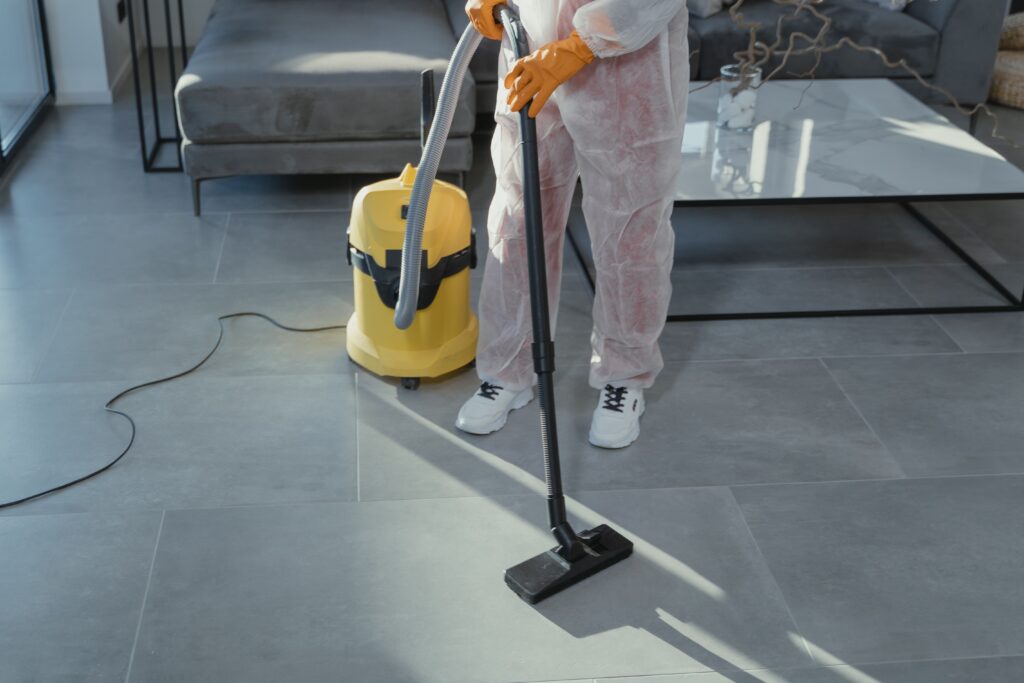
Post-construction cleaning is a specialized cleaning service performed after construction, remodeling, or renovation work is complete.
The service removes construction-related materials that regular cleaners are not equipped to handle, including:
The process often happens before furniture installation, tenant move-in, property inspections, or final handover.
A newly renovated apartment in Brooklyn, a restaurant renovation in Queens, or an office expansion on Long Island may require several cleaning stages before the property is ready.
The difference between deep cleaning vs post construction cleaning often causes confusion because both services involve detailed work.
A deep clean focuses on removing accumulated dirt from an existing space. It may include cleaning inside cabinets, scrubbing bathrooms, washing floors, and removing buildup from areas that are missed during routine maintenance.
Post-construction cleaning focuses on removing construction residue and making a property safe for use after building work.
The main differences include:
| Deep Cleaning | Post-Construction Cleaning |
| Removes household or workplace buildup | Removes construction dust and debris |
| Uses standard cleaning equipment | Uses HEPA vacuums and specialty tools |
| Designed for occupied spaces | Designed before occupancy |
| Focuses on hygiene and appearance | Focuses on dust control, safety, and finishing details |
A deep clean may refresh a home before selling it. Post-construction cleaning prepares a renovated home before the first person moves back in.
Post-construction cleaning covers areas that standard cleaning often misses. Construction dust settles on high surfaces, inside fixtures, and around newly installed materials.
Professional crews typically clean:
In older NYC buildings, cleaners may also pay close attention to areas like radiator covers, window tracks, and detailed woodwork where dust can collect during renovations.
Regular cleaning usually relies on basic equipment such as vacuums, mops, microfiber cloths, and general cleaning products.
Post-construction cleaning needs specialized equipment because construction dust is much finer than everyday household dust. Fine particles from materials like drywall, concrete, and wood can remain airborne and spread throughout a property if they are not controlled properly.
Professional crews commonly use:
Using a standard vacuum on construction dust can spread fine particles back into the air. HEPA filtration helps capture smaller particles instead of redistributing them.
Proper dust control practices are also recommended by the U.S. Environmental Protection Agency (EPA) Dust Control Best Management Practices to reduce airborne particles during construction-related activities.
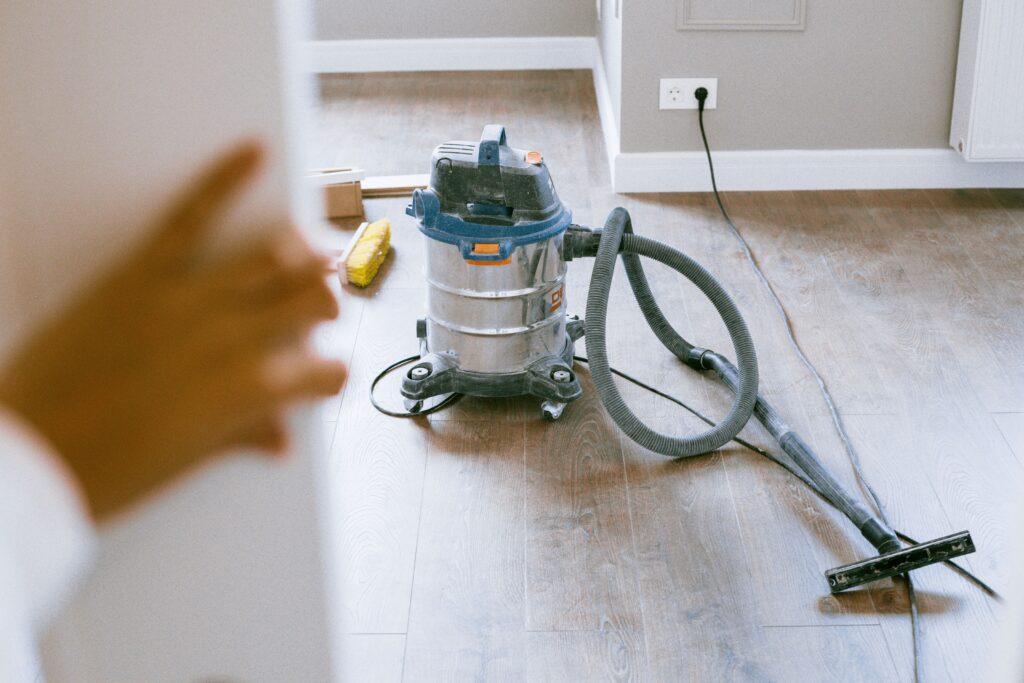
Post-construction cleaning involves more than removing visible dirt. Renovation and building materials can leave behind fine dust particles, sharp debris, and chemical residues that require careful handling.
Construction dust may include materials such as drywall particles, wood dust, and silica-containing dust from concrete or stone work. These particles can affect indoor air quality and create respiratory concerns if they are not removed with appropriate equipment and procedures.
Professional cleaning teams follow safety practices such as:
Organizations such as Occupational Safety and Health Administration (OSHA) provide workplace safety guidance for construction environments, including recommendations related to hazard control and worker protection. OSHA also outlines the importance of proper Personal Protective Equipment (PPE) practices when workers may be exposed to workplace hazards.
The timeline depends on the property size, construction type, and level of detail needed.
Typical timeframes include:
A Manhattan office renovation with multiple floors may require phased cleaning around contractors and inspections. A Long Island home renovation may need fewer workers but still require detailed cleaning of kitchens, bathrooms, floors, and windows.
Post-construction cleaning usually takes longer than regular cleaning because every surface needs inspection and detailed treatment.
Professional post-construction cleaning often follows 3 stages.
This happens after major construction work finishes.
Tasks include:
The goal is to make the space safe for detailed cleaning.
This stage focuses on surfaces and finishes.
Tasks include:
This stage creates the finished appearance owners expect after renovation.
The final stage happens before move-in or inspection.
Tasks include:
This final walkthrough helps ensure the property looks ready for occupancy.
Some cleaning companies offer both services, but post-construction cleaning requires specific experience.
A provider should understand:
A regular cleaner without construction experience may remove visible dirt but miss hidden dust, damage new surfaces, or leave residue behind.

Post-construction cleaning costs more than regular cleaning because it requires more time, equipment, and specialized knowledge.
Pricing depends on:
A standard apartment cleaning may take a few hours. A full renovation cleanup requires multiple passes, specialized tools, and careful inspection.
No. A deep clean removes built-up dirt, stains, and grime from an existing property, while post-construction cleaning removes renovation-related materials. It focuses on fine dust, debris, paint residue, adhesives, grout haze, and other construction leftovers that standard deep cleaning methods often cannot handle.
Most builders remove large debris and leave a property in a “broom clean” condition. This usually means basic sweeping and removing leftover materials. Detailed cleaning, dust removal, window cleaning, and final finishing work are often arranged separately by the property owner or contractor.
Renovation dust is made up of very fine particles that can settle inside vents, light fixtures, cabinets, corners, and hidden spaces. Without proper HEPA filtration and detailed cleaning methods, these particles continue moving through the space and reappear on freshly cleaned surfaces.
The first cleaning stage should begin after major construction work is complete and large debris has been removed. The final cleaning should happen shortly before move-in, inspection, or handover to remove any dust that settles after the renovation process is finished.
Small renovation projects may be manageable with the right equipment and time. Larger construction cleanups often need HEPA vacuums, protective equipment, specialty products, and multiple cleaning stages. Hiring professionals helps prevent missed dust, surface damage, and delays before the property is occupied.
Professional post construction cleaning in Long Island is important after a renovation because construction projects leave behind fine dust, debris, and residue that regular cleaning methods often cannot fully remove. Professional cleaners use specialised equipment and techniques to safely clean floors, surfaces, fixtures, and hard-to-reach areas, helping prepare the space for safe occupancy.
Professional post-construction cleaning helps homeowners, contractors, and businesses achieve a safe, polished, move-in ready space by removing construction dust, debris, and leftover residues that regular cleaning cannot handle. Understanding the difference between regular cleaning and post construction cleaning helps property owners choose the right service for their renovation or building project.
At XYZ Cleaning, we provide customized post-construction cleaning solutions based on each property’s size, location, construction needs, and finishing requirements. Our experienced team uses detailed cleaning methods, specialized equipment, and careful attention to every surface to deliver high-quality results.
We help property owners, contractors, and businesses turn recently completed construction projects into clean, ready-to-use spaces.
Contact our team for professional post-construction cleaning services in NYC and take the final step toward a polished, comfortable property.