Phone:
(516)349-8800
Physical address:
958 W Jericho Turnpike, Smithtown, NY 11787
50 Years in Business | Est. 1975
50 Years in Business | Est. 1975
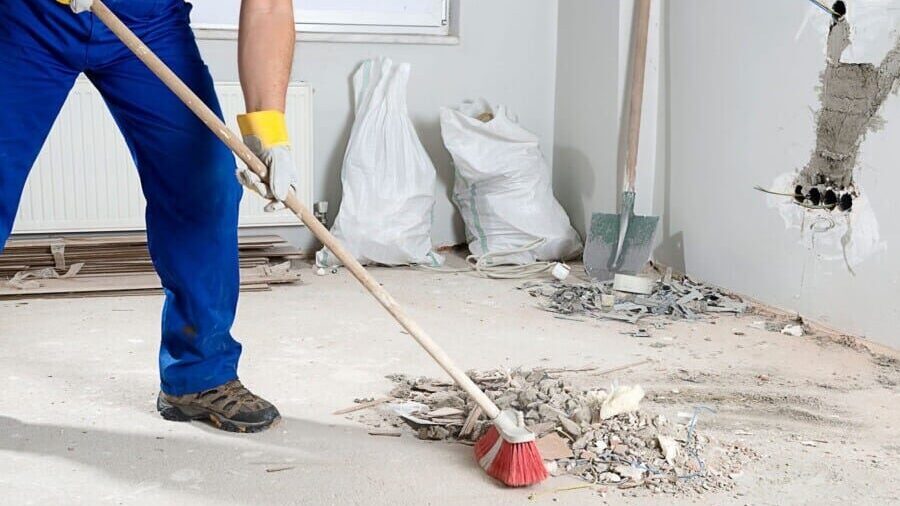
Fine drywall and silica dust can hide in places you may not notice. Even when a remodel looks finished, tiny particles can remain on floors, inside trim, around recessed lighting, and within HVAC components. Effective post construction dust removal Long Island homeowners can rely on takes more than a standard vacuum and mop. It requires proper filtration, containment, and a detailed cleaning process.
A thorough cleanup works from high surfaces downward and targets the areas where fine dust settles. HEPA filtration, damp wiping, detailed surface cleaning, and HVAC attention help prevent particles from becoming airborne again.
In this guide, we’ll explain how post-construction dust removal works, when professional cleaning makes sense, what affects the cost, and what to look for when comparing providers across Nassau and Suffolk County.
Post construction dust removal Long Island projects require a more careful approach because fine gypsum and potentially silica-containing particles behave differently from ordinary household dirt. The smallest particles can become airborne again when you walk through a room, move furniture, operate HVAC equipment, or disturb dust that has settled in molding and fixtures.
Drywall sanding produces fine gypsum dust, while cutting, grinding, drilling, or working with certain tile, concrete, stone, and other materials can generate respirable crystalline silica.
Silica exposure is a particular concern during construction work, and OSHA requires covered workplaces to use appropriate exposure controls and restrict certain dust-producing cleaning practices.
For a finished home, the practical lesson is straightforward: you should remove dust rather than redistribute it.
A standard household vacuum can be inadequate for very fine construction particles, particularly if its filtration system allows fine dust to pass through the exhaust. Dry sweeping can also put settled particles back into the air.
Dust does not remain only on the floor where you can see it. Fine particles can settle in places that are easy to overlook during a conventional house cleaning.
In a North Shore home with detailed millwork, crown molding, recessed lighting, built-ins, or extensive cabinetry, these areas deserve particular attention. Dust can also collect around supply registers and return grilles if the HVAC system operated while sanding or cutting was taking place.
Common problem areas include:
This is one reason a home can look clean immediately after a remodel and develop a fine dust film again the following day.
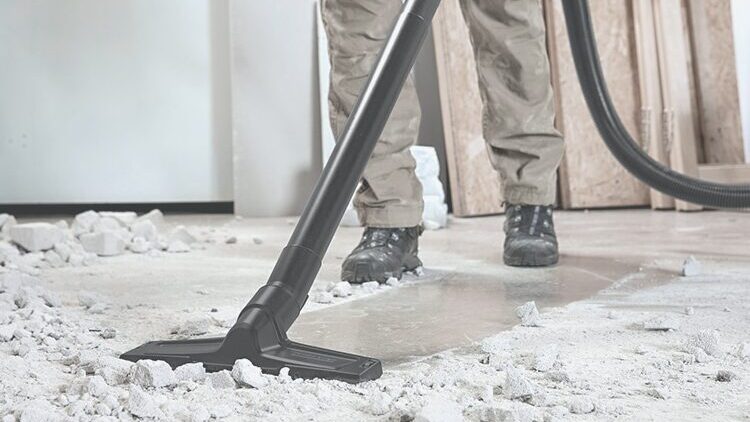
A professional cleanup should treat construction dust as a particle-removal problem, not ordinary housekeeping.
The most effective approach combines controlled dry removal, HEPA filtration, careful damp cleaning, and air cleaning.
Before cleaning begins, limit movement between the renovation zone and finished areas. Doors should remain closed where practical, and dusty work areas should be separated from rooms that are already finished.
If renovation work is still underway, the cleaning strategy changes. Dust should be controlled at the source rather than allowed to migrate throughout the property.
Anyone working around fine construction dust should also use appropriate personal protective equipment based on the materials involved and the level of exposure. This may include respiratory protection, eye protection, gloves, and protective clothing, depending on the work being performed.
Proper PPE should complement, rather than replace, effective dust-control methods.
A controlled dry-removal step can capture loose particles from delicate surfaces before moisture is introduced. Microfiber and appropriate dusting tools can be useful around molding, trim, fixtures, and other areas where aggressive wiping could spread dust.
The goal is not to sweep dust into the air. If silica-containing dust may be present, OSHA specifically restricts dry sweeping and dry brushing where those practices could contribute to worker exposure when safer feasible alternatives such as wet methods or HEPA-filtered vacuuming are available.
Next, use a properly equipped HEPA vacuum for post construction cleaning on ceilings, walls, trim, ledges, floors, registers, and other appropriate surfaces.
Work from the highest surfaces downward. Vacuuming floors first only means that dust from higher areas can settle back onto them later.
Move slowly, use suitable brush attachments, and pay attention to transitions between materials. A careful vacuuming pass can remove loose particles without turning the room into another dust cloud.
Once loose dust has been removed, damp microfiber cleaning can capture the remaining residue.
The amount of moisture should depend on the surface. Hardwood should not be saturated, painted walls should be cleaned gently, and sensitive materials should be handled according to their manufacturer’s recommendations.
On hard flooring, a second clean pass may be necessary because the first damp cleaning can leave behind a fine gypsum residue. Clean water and fresh microfiber pads help prevent you from simply moving the residue around.
Surface cleaning addresses settled dust, but some fine particles may remain suspended in the air. A portable HEPA air scrubber or appropriately sized HEPA purifier can help capture airborne particles while the final cleaning is completed.
Air scrubbing should support source removal, not replace it. Running an air purifier while leaving dusty surfaces untouched will not clean crown molding, cabinets, floors, or HVAC registers.
Your HVAC system deserves special attention after a dusty remodel because it can move particles between rooms.
If central heating or air conditioning is operating while drywall sanding, cutting, or grinding is taking place, dust can enter return-air pathways and settle around registers and accessible duct surfaces. Turning the system on again before fine-particle cleaning is complete can redistribute that material throughout finished rooms.
During active dusty work, follow the contractor’s dust-control plan and protect HVAC components as appropriate. After construction, replace the HVAC filter according to the equipment and filter manufacturer’s requirements and inspect accessible registers and grilles.
If substantial dust entered the HVAC system, professional duct cleaning may be worth considering. It is especially relevant when you can see construction debris inside accessible ductwork or the system was running during heavy sanding.
There is no responsible single price for post-construction cleaning because the scope can vary significantly between homes.
A small room receiving new drywall is very different from a large Nassau County renovation involving multiple floors, custom millwork, new flooring, cabinetry, and extensive dust migration.
Your quote may be affected by:
A lower quote is not necessarily better if it only covers visible floors and basic surface cleaning. When comparing providers, ask for a written scope that explains exactly what will be vacuumed, wiped, detailed, and inspected.
For a renovation where fine dust has migrated into finished areas, you can also request a quote for professional post-construction cleaning services that specifically addresses fine-particle removal rather than standard recurring house cleaning.
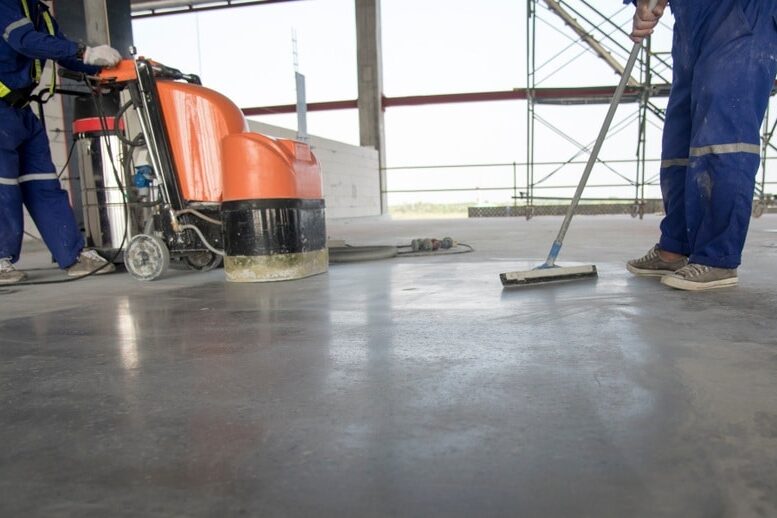
Not every remodel requires a specialized cleaning crew. If you completed a small, well-contained project, kept HVAC systems protected, prevented dust from entering finished rooms, and have only a limited amount of surface residue, careful DIY cleaning may be enough.
You may also be able to handle the final cleanup yourself when the materials involved did not generate significant fine dust and the affected area is small.
Professional cleaning becomes more compelling when dust has spread through several rooms, the home contains expensive finished surfaces, the HVAC system operated during dusty work, or repeated cleaning keeps producing another layer of fine residue.
If you suspect significant silica exposure from active construction work, cleaning is not a substitute for proper exposure controls or professional health advice.
The OSHA silica standard is directed at covered occupational exposures and construction activities, so your contractor should handle applicable workplace requirements.
A good provider should be able to explain how fine construction dust will be removed before you commit to the service. You should not have to settle for a vague promise to “deep clean” the property.
Ask these questions before booking:
Dust-control methods can vary depending on the type of construction work and materials involved. EPA also provides guidance on practices that help limit dust from becoming airborne and spreading to surrounding areas.
Long Island remodels can range from compact suburban homes to large North Shore properties with extensive finished surfaces and custom architectural details. Your cleaning plan should reflect the actual property rather than treating every renovation as the same job.
A renovation in Nassau County may involve multiple interconnected living spaces where dust can travel through hallways and open doorways. In Suffolk County, larger homes and longer travel distances between rooms can also increase the amount of surface area that needs inspection.
Weather can affect how you ventilate a property, but opening windows is not automatically the best solution. If outdoor conditions are unsuitable or airflow would move construction dust into clean areas, controlled filtration can be more appropriate.
For any renovation, your contractor remains responsible for construction-site controls and applicable requirements. A cleaning company should focus on safely removing remaining settled and airborne dust from the completed space.
The biggest cleanup problems usually come from methods that move dust instead of capturing it. Avoid these mistakes if you want the finished home to stay clean after the first pass.
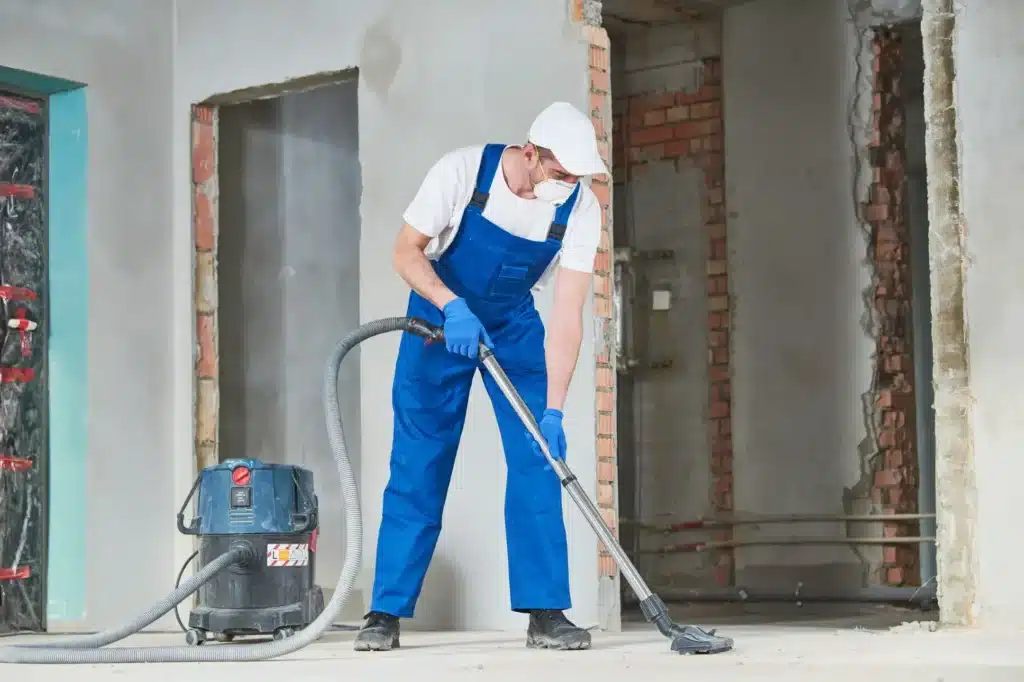
Start by containing the affected area and removing larger debris. Use appropriate HEPA-filtered vacuuming from high surfaces downward, followed by carefully controlled damp wiping. Floors should be cleaned last, and a second inspection or touch-up pass can catch dust that settles after the initial cleaning.
A regular vacuum is not the preferred choice when fine silica-containing dust is present because it may release respirable particles through its exhaust. OSHA identifies HEPA-filtered vacuuming, wet cleaning, and other exposure-minimizing methods as preferred housekeeping approaches when feasible.
Visible drywall dust can settle relatively quickly, but the finest particles may remain airborne longer and can become suspended again through movement or airflow. Instead of relying on a waiting period, remove settled dust, use appropriate filtration, and inspect the home again after the first cleaning.
You should inspect registers and accessible duct openings after substantial dusty work. Professional duct cleaning may make sense when visible construction dust has entered the system or HVAC equipment operated during heavy sanding or cutting. Your HVAC contractor can also advise you on filter replacement and system-specific requirements.
No. Air scrubbing addresses airborne particles, but it does not remove dust that has settled on floors, walls, trim, cabinets, fixtures, or other surfaces. The most effective approach combines source control, HEPA filtration, surface cleaning, and a final inspection rather than relying on an air purifier alone.
Professional cleaning is worth considering when fine dust has spread beyond the renovation area, multiple rooms require detailed cleaning, HVAC systems were exposed, or finished surfaces require careful handling. It can also save time when repeated DIY cleaning leaves another layer of dust appearing the next day.
No. Drywall work can produce fine dust, but respirable crystalline silica can also be generated when materials containing crystalline silica are cut, drilled, ground, or otherwise disturbed. Tile, concrete, stone, mortar, and some other construction materials can present silica exposure concerns depending on their composition and the work performed.
Your next step is to have the remaining dust assessed and cleaned according to the materials, surfaces, and amount of contamination in your home.
At XYZ Cleaning, we help with post construction dust removal Long Island homeowners need when ordinary cleaning is not enough, using customized solutions based on the property, materials, technology, and level of fine dust involved.
Our approach focuses on careful particle removal, appropriate filtration, detailed surface cleaning, and personalised service so your finished spaces receive the attention they need after renovation work.
Tired of wiping down surfaces only to find fresh dust an hour later? Book a specialized HEPA dust remediation team for your Long Island remodel today.