Phone:
(516)349-8800
Physical address:
958 W Jericho Turnpike, Smithtown, NY 11787
50 Years in Business | Est. 1975
50 Years in Business | Est. 1975

If you’ve just completed a high-end renovation on your North Shore home, the final cleaning deserves the same care as the renovation itself. Post renovation cleaning North Shore NY homeowners need after a major project is different from a standard deep clean, especially when fine drywall dust, sawdust, adhesive residue, and construction grit settle into custom cabinetry and architectural millwork.
This is especially important for custom walnut or white oak cabinetry, high-gloss lacquer, painted built-ins, wine cellars, dressing rooms, and other bespoke woodwork. The wrong tools or products can cause scratches, haze, residue, or moisture damage.
A proper post-renovation clean uses controlled dust extraction, works from high surfaces down, and reaches details such as drawer slides, hinges, tracks, moldings, and cabinet interiors. The goal is to remove construction residue without compromising the finishes you invested in.
Post renovation cleaning North Shore NY properties with custom woodwork should be treated as a finishing process, not a routine maid service. Your cabinetry and millwork may include stained walnut, white oak, lacquer, painted surfaces, specialty hardware, or hand-finished details that react differently to moisture and cleaning chemicals.
Fine construction dust is particularly troublesome because it can collect in grooves, drawer slides, concealed hinges, cabinet interiors, and pocket door tracks. Wiping those surfaces before removing the loose dust can turn fine particles into a gritty residue that is harder to remove and may scratch delicate finishes.
That is why the cleaning method matters as much as the amount of labor involved. A careful crew should identify the finish, test products where appropriate, remove loose dust first, and only then move to damp cleaning and detailing.
Cleaning custom cabinetry after construction starts with dry dust extraction, followed by controlled damp cleaning. You should never assume that a general-purpose spray is appropriate for expensive cabinetry simply because the surface looks durable.
Fine construction dust should be controlled before it is spread to other areas of the home. The EPA’s guidance on dust control outlines practical measures for reducing airborne dust during construction and renovation work, which can also help inform the cleanup process once the trades have finished.
A preservation-focused process should generally follow this order:
For newly installed cabinetry, less moisture is generally safer than more. Your cabinetmaker’s care instructions should take priority because manufacturers can specify products and techniques for particular coatings.
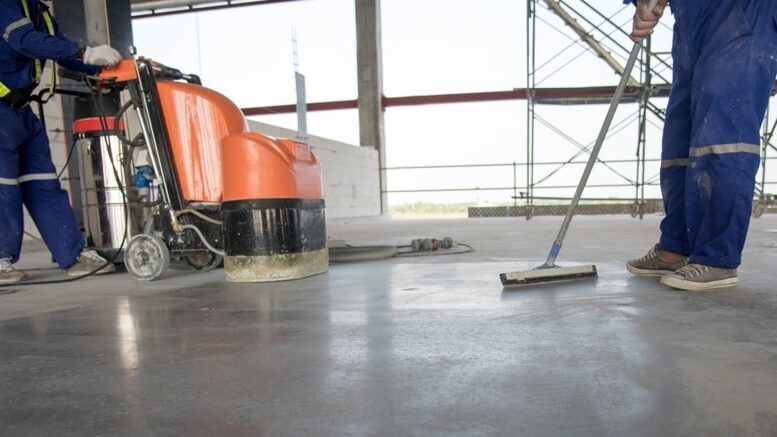
Architectural millwork post construction care requires attention to the areas standard cleaning often misses. Built-ins, wall paneling, fluted details, crown molding, pocket doors, and integrated storage can contain dozens of small surfaces where construction dust settles.
A luxury kitchen is a good example. Dust may remain on the tops of upper cabinets, inside drawer boxes, around hinges, underneath doors, along toe kicks, and inside the runners. A walk-in dressing room can have the same issue across shelving, drawers, hanging areas, trim, and built-in cabinetry.
Wine cellars require similar care because dust can collect around racks, cabinetry, doors, and architectural details. With painted built-ins, the goal is to remove fine particles without creating scuffs or leaving a film on the factory finish.
The same principle applies to pocket doors. Their tracks can collect grit that becomes noticeable every time the door moves. Vacuuming the track carefully before wiping it is preferable to pushing dust deeper into the mechanism with a cloth.
A thorough post-construction clean should happen in stages, with the most detailed work performed after dust-producing trades have finished. Cleaning too early can mean paying for the same work twice.
For a major renovation, the process commonly follows three stages:
Large debris, packaging, scraps, and heavier construction residue are removed first. This creates a workable environment for the detailed cleaning that follows.
This is where the fine dust becomes the focus. Cabinets, millwork, fixtures, floors, windows, doors, trim, vents, and other surfaces receive detailed cleaning based on their materials.
Because renovation cleanup can involve residual dust and construction debris, appropriate workplace safety practices matter as well. OSHA provides workplace safety guidance for construction and related activities, including measures designed to reduce exposure to hazards during cleanup.
Once air has circulated and remaining dust has settled, a final inspection can identify areas that need another pass. This stage is particularly useful in large renovations with extensive cabinetry and built-ins.
Your final cleaning should be scheduled after the last dust-producing trades have completed their work whenever possible. Otherwise, painters, installers, flooring contractors, or other workers can reintroduce dust after the cleaning is finished.
Post-construction cleaning costs vary significantly because a luxury renovation can require substantially more detail than a standard residential clean. Square footage matters, but it is only one part of the quote.
Current Long Island market pricing for post-construction cleaning depends on property size, project complexity, cleaning phases, debris levels, and the amount of detailed finish work required. Large luxury residences can sit toward the upper end of that range.
A quote may increase when your property includes:
Do not compare quotes on price alone. Ask what is included, whether cabinetry is cleaned inside and out, how fine dust is removed, and whether the quoted service covers one pass or multiple stages.
For a small renovation confined to one or two rooms, you may not need a full post-construction service. If the contractors have already removed debris and the remaining work is limited to durable flooring and painted walls, a high-quality deep clean may be sufficient.
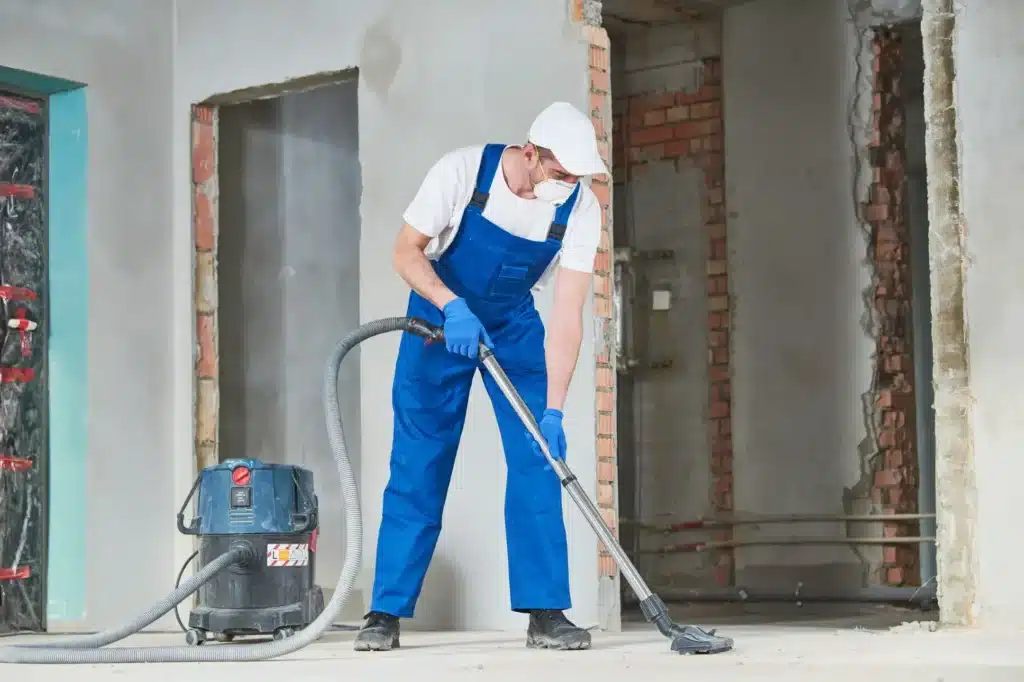
Homes in Brookville, Manhasset, and Sands Point can contain a mix of historic architectural details, new construction, custom interiors, and high-value finishes, making material awareness especially important. A renovation in an older estate may require a different approach from a newly built luxury home.
If your property combines original woodwork with new cabinetry, tell the cleaning team before work begins. Older trim, restored floors, new lacquered cabinetry, natural stone, and modern hardware should not automatically receive the same treatment.
For homeowners arranging post construction cleaning Sands Point NY, a pre-cleaning walkthrough is particularly useful. You can identify delicate finishes, areas contractors have recently completed, rooms that require restricted access, and any surfaces that need manufacturer-specific care.
The same preparation applies in Manhasset and Brookville. Your cleaner should understand which areas are newly installed, which are original, and which materials require special handling.
The best provider is the one that can explain how your finishes will be cleaned before work begins. You should be able to get clear answers about equipment, products, scope, and responsibility for delicate surfaces.
Ask:
A provider who cannot clearly explain the process for your cabinetry should not be your first choice for a high-value renovation.
A few shortcuts can create unnecessary damage or leave your renovation looking unfinished. The safest approach is to remove abrasive dust first and use products appropriate for each material.
Yes, but the cleaning method should match the finish rather than simply the wood species. Walnut and white oak cabinetry may have different stains, oils, lacquers, or protective coatings. Loose construction dust should be removed first, followed by a carefully controlled cleaning process based on the manufacturer’s finish-care recommendations.
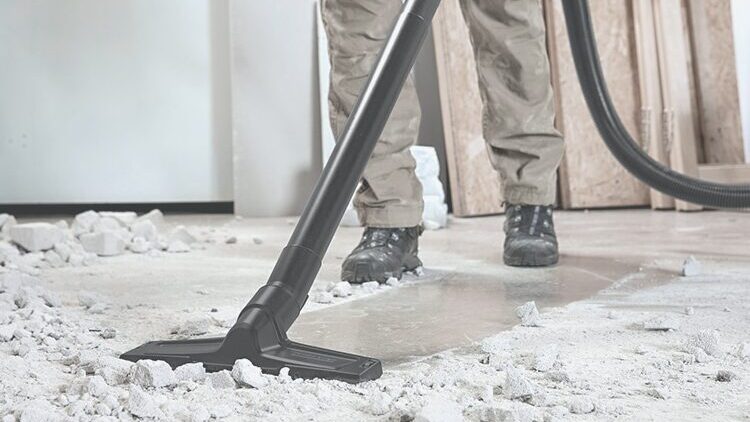
Fine dust should first be extracted with an appropriate vacuum and attachment rather than pushed deeper into the mechanism with a cloth. Soft-close slides, concealed hinges, and other hardware should be cleaned carefully so grit does not remain in moving components. Avoid applying lubricant or chemical products unless the hardware manufacturer recommends them.
Schedule detailed cleaning after major dust-producing work is complete and contractors have removed their debris and equipment. If painting, flooring, cabinetry installation, or other finishing work is still underway, cleaning too early may lead to repeat work. Larger renovations may benefit from rough, detailed, and final touch-up stages.
Yes. Post-construction cleaning deals with fine drywall dust, sawdust, adhesive residue, construction debris, and residue left by trades. It can also require specialized equipment and material-specific techniques. A regular deep clean may be appropriate for a small project with minimal construction residue, but extensive renovations generally require a more structured process.
They often require a more careful process because custom cabinetry, architectural millwork, specialty finishes, natural materials, and expensive hardware can be more sensitive to abrasion or unsuitable chemicals. The key difference is not simply the size of the home. It is the combination of material sensitivity, detail level, and the consequences of using the wrong cleaning method.
Your next step is to arrange a detailed post-renovation assessment before construction dust or residue has a chance to compromise newly finished surfaces.
With XYZ Cleaning, we provide post renovation cleaning North Shore NY homeowners can arrange around the materials, finishes, cabinetry, and architectural details throughout the property. Our approach focuses on customised cleaning solutions, appropriate materials, careful dust extraction, and technology suited to the demands of post-construction work.
When your renovation includes custom carpentry and luxury millwork, the final clean deserves the same level of attention as the work that created it. Protect your carpentry investment. Schedule white-glove post-construction cleaning tailored for architectural millwork.