Phone:
(516)349-8800
Physical address:
958 W Jericho Turnpike, Smithtown, NY 11787
50 Years in Business | Est. 1975
50 Years in Business | Est. 1975
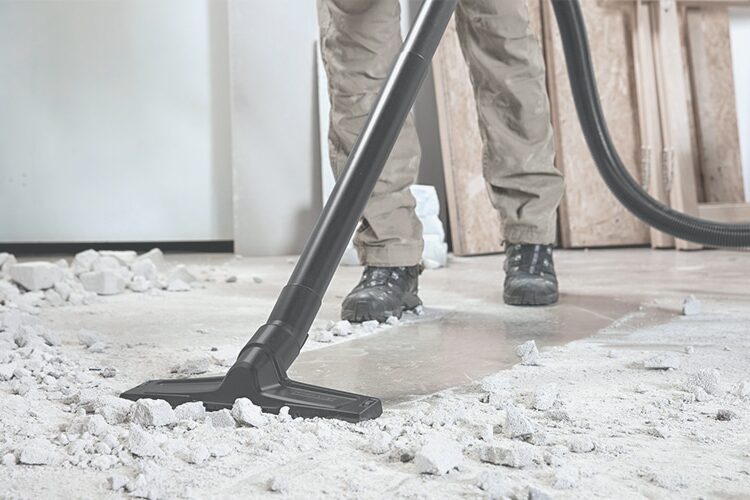
The last contractor has packed up, the new floors are gleaming, and the kitchen looks ready for its first dinner. Then the afternoon light catches the windows and reveals a fine layer of construction dust across the millwork, stone, glass, and floors. For a Hamptons estate, that final detail can be the difference between a property that looks finished and one that is genuinely ready for summer.
This is where post construction cleaning Hamptons projects require a different approach from routine residential cleaning. A major renovation or new build can leave dust and residue throughout the main house, guest spaces, garages, pool houses, basements, theatres, outdoor kitchens, and other finished areas.
The timing matters too. A property may be moving from contractor completion to staging, photography, owner handover, or seasonal occupancy within a very short window. Your cleaning plan needs to account for the entire estate, the condition of the finished surfaces, and the people who still need access before the property is considered complete.
Post-construction cleaning Hamptons starts after construction activity has substantially finished, but it is not simply a more intensive version of a regular house clean. The work focuses on removing construction-related dust, residue, labels, protective materials, debris, and the fine particles that settle on finished surfaces after contractors leave.
If you are weighing the difference between these two types of cleaning, post-construction cleaning vs. regular cleaning is an important distinction to understand before scheduling the final clean. Regular residential cleaning is designed around ongoing household maintenance, while post-construction work addresses the specific residue and conditions left behind by building, renovation, installation, and finishing work.
For a luxury property, the scope also needs to reflect the materials and details throughout the home. Natural stone, hardwood, glass, custom cabinetry, polished fixtures, specialty flooring, high-end appliances, and detailed millwork all require appropriate cleaning methods rather than a one-size-fits-all approach.
A high end residential construction cleaning plan should also consider the property’s full footprint. Cleaning only the main living areas can leave unfinished-looking spaces elsewhere on the property, particularly when a summer handover involves several structures.
A thorough turnover is easier to manage when cleaning is planned in stages rather than treated as one final visit.
The first stage takes place once major construction activity has wrapped up. The focus is on removing larger debris, construction residue, protective coverings, and accumulated dust so the property is ready for detailed cleaning.
This is also the point to identify areas that still require contractor attention. Paint splatter, adhesive residue, damaged finishes, unfinished installations, or remaining construction materials should be flagged before the final clean.
Once contractors and other dusty trades are finished, fine cleaning can begin. Dust is removed from horizontal and vertical surfaces, cabinetry, trim, doors, fixtures, floors, windows, glass, and other finished areas.
HVAC considerations matter during this stage. Construction and renovation can introduce particles into areas around the heating and cooling system, so filters, registers, and other accessible components should be assessed as part of the handover plan. The EPA provides guidance on indoor air quality and filtration that can help inform decisions around construction-related dust and building systems.
A final touch-up is useful when there is a gap between the main cleaning and the actual handover. Dust can settle again, contractors or stagers may enter the property, and small marks can appear during furniture installation.
For a property being photographed, staged, leased, or handed back to an owner, this last check gives you an opportunity to address the details that become visible only after the estate is fully furnished and presented.
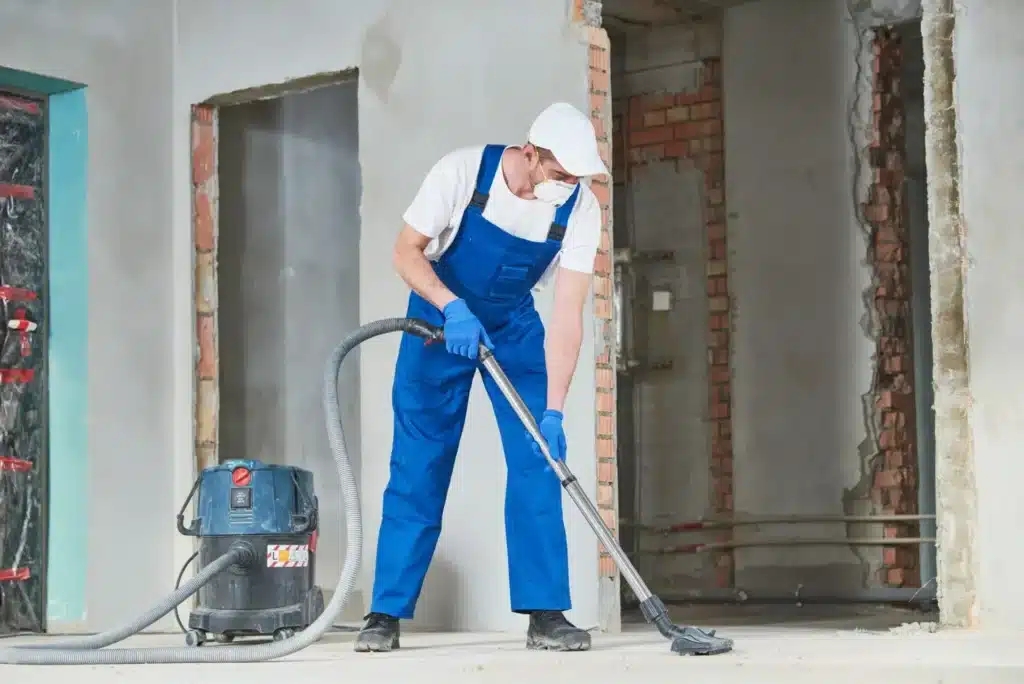
A full-estate scope should go beyond the rooms guests are most likely to see. Your checklist should account for every finished structure and transition area included in the project.
The East End construction calendar can create tight handover windows, particularly when a late-spring project needs to be ready for summer use. A build that finishes close to Memorial Day may have several steps still to complete, including final cleaning, staging, photography, inspections, and owner or tenant arrival.
That makes scheduling important. Rather than waiting until every other task is finished before contacting a cleaning team, establish the expected construction completion date and work backwards from the required handover.
For post build turnover cleaning Bridgehampton projects, for example, the cleaning schedule may need to accommodate multiple structures, designer access, furniture delivery, landscaping activity, and final contractor visits.
The same principle applies across Southampton, Water Mill, East Hampton, and other East End properties where a seasonal deadline can make a few days of delay significant.
The final cleaning should be scheduled around the people who still need to work in the property. Cleaning too early can mean repeating the same work after installers, designers, movers, or stagers return.
The best sequence is usually to establish a clear handoff point with the project team. Contractors complete dusty work first, major installations are finished, and the cleaning team then completes the detailed clean before staging or final photography wherever the schedule allows.
Stagers and designers can also identify areas where presentation matters most. Once furniture and accessories are installed, a final touch-up can focus on visible glass, floors, fixtures, surfaces, and other details that will appear in photographs or during the owner’s walkthrough.
Large Hamptons estates often involve controlled access, multiple vendors, private driveways, gates, alarm systems, and valuable contents. Cleaning schedules therefore need to account for more than the physical scope of the property.
Before work begins, establish who will provide access, which areas are included, where equipment can be stored, and how the property should be secured when the crew leaves. If other contractors are still working onsite, define which areas are available for cleaning and which remain active work zones.
Dust can also create a safety consideration. Depending on the construction activities involved, workers may encounter particles from materials such as concrete, tile, drywall, stone, or other products. For a closer look at the potential risks, hidden dangers of construction dust can help explain why construction cleanup requires appropriate procedures and protective measures.
Appropriate PPE should be used according to the conditions and applicable workplace requirements, while OSHA provides construction safety guidance covering hazards such as respirable silica dust.
The cost of an estate turnover depends heavily on the property and the condition it is in when cleaning begins. A smaller renovation with limited construction residue will require a different scope from a newly built estate with several finished structures.
Typical market pricing can vary based on:
For larger luxury estates, pricing can reach several thousand dollars when the scope includes extensive square footage, multiple structures, detailed finishes, windows, and phased turnover cleaning.
The most useful quote is therefore based on the actual property and scope rather than a generic per-house rate.

Start by asking whether the provider understands the difference between a standard residential clean and construction turnover work. The team should be comfortable working around finished materials, fine dust, detailed surfaces, and a property that may still have several vendors moving through it.
Ask how the cleaning will be divided into phases and whether the provider can accommodate a final touch-up if construction or staging continues after the main clean. It is also worth confirming how the scope covers detached structures and less visible areas so that the entire estate is ready at handover.
For luxury post renovation cleaning East End projects, communication is just as important as the cleaning itself. You want a clear scope, agreed access arrangements, defined responsibilities, and a schedule that fits the project’s final milestones.
If you are comparing providers, it is worth knowing how to hire construction cleaning services that can work around your project timeline, property requirements, and final handover schedule.
A rushed handover can create unnecessary rework. These are some of the most common problems to prevent when planning an estate turnover.
The detailed clean should generally begin after major dusty construction and installation work has finished. A rough clean can happen earlier to remove debris and prepare the property, followed by a final clean once trades leave. A touch-up shortly before handover can address dust or marks created by staging and final access.
It can, depending on the agreed scope. A full estate may include the main residence, guest spaces, garages, pool houses, basements, theatres, outdoor kitchens, terraces, and other finished areas. These spaces should be identified before cleaning begins so secondary structures are not overlooked during the final turnover.
There is no single timeframe for every property. The size of the estate, number of structures, amount of construction residue, finishes, windows, and level of detail all affect the schedule. Larger projects may also require multiple cleaning phases rather than one continuous visit.
The main detailed clean is usually best completed before staging, once dusty construction work has ended. After furniture and décor are installed, a final touch-up can address fingerprints, dust, marks, and other details created during staging. The exact sequence should be coordinated with the project schedule.
Frequently overlooked areas include window tracks, trim, cabinet interiors, vents, light fixtures, doors, closets, stair details, basement spaces, garages, and secondary structures. Outdoor transition areas can also collect construction residue. A room-by-room and structure-by-structure checklist helps prevent these areas from being missed.
Some construction dust can create occupational hazards, particularly when activities have involved materials that generate respirable particles such as silica. Cleaning procedures should reflect the site conditions, and workers should follow applicable safety requirements, equipment instructions, and workplace procedures when dealing with construction-related dust.
A successful estate turnover depends on having the cleaning scheduled around the construction timeline, final installations, staging, and handover date. With the right scope, your property can move from active construction to a polished, photo-ready estate without leaving the final details to the last minute.
At XYZ Cleaning, we provide post construction cleaning for Hamptons properties with cleaning scopes built around the size, condition, finishes, and requirements of each project. We focus on the detailed work required after construction, from fine dust removal and finished surfaces to kitchens, bathrooms, windows, flooring, and additional structures.
We work with the practical demands of high-end property turnovers, including phased cleaning, detailed final checks, and coordination around the wider project schedule. If you need post construction cleaning Hamptons property owners and project teams can rely on, we are ready to help.
Deadlines approaching for your Hamptons build? Book our dedicated East End post-construction team for a seamless, photo-ready handover.